

1898 - 1992
Originally from Bury St. Edmunds, England, Sybil Andrews moved to Campbell River, B.C. in 1947. Andrews produced work from the late 1920s though to 1988; she is most notable for her distinctive modernist linocut prints.

b. 1891 - d. 1941
Sir Frederick Grant Banting, KBE, MC, FRS, FRSC, co-discoverer of insulin, Nobel laureate, medical scientist, painter. Banting is best known as one of the discoverers of insulin. Following the discovery of insulin, he became Canada’s first professor of medical research at the University of Toronto. Banting was also an accomplished amateur painter with links to A.Y. Jackson and the Group of Seven.

Born in Calgary in 1906, Bates was one of Canada’s early modernists and one of the most powerful artists of his generation. A painter, printmaker, architect and poet, Bates brought European modernism to western Canada.

b. 1846 - d. 1923
Frederic Marlett Bell-Smith received his early art training in London, England and came to Montréal in 1867. He worked in photographic firms in Montréal and then in Hamilton, Ontario, and Toronto, and exhibited primarily watercolours of sporting subjects.
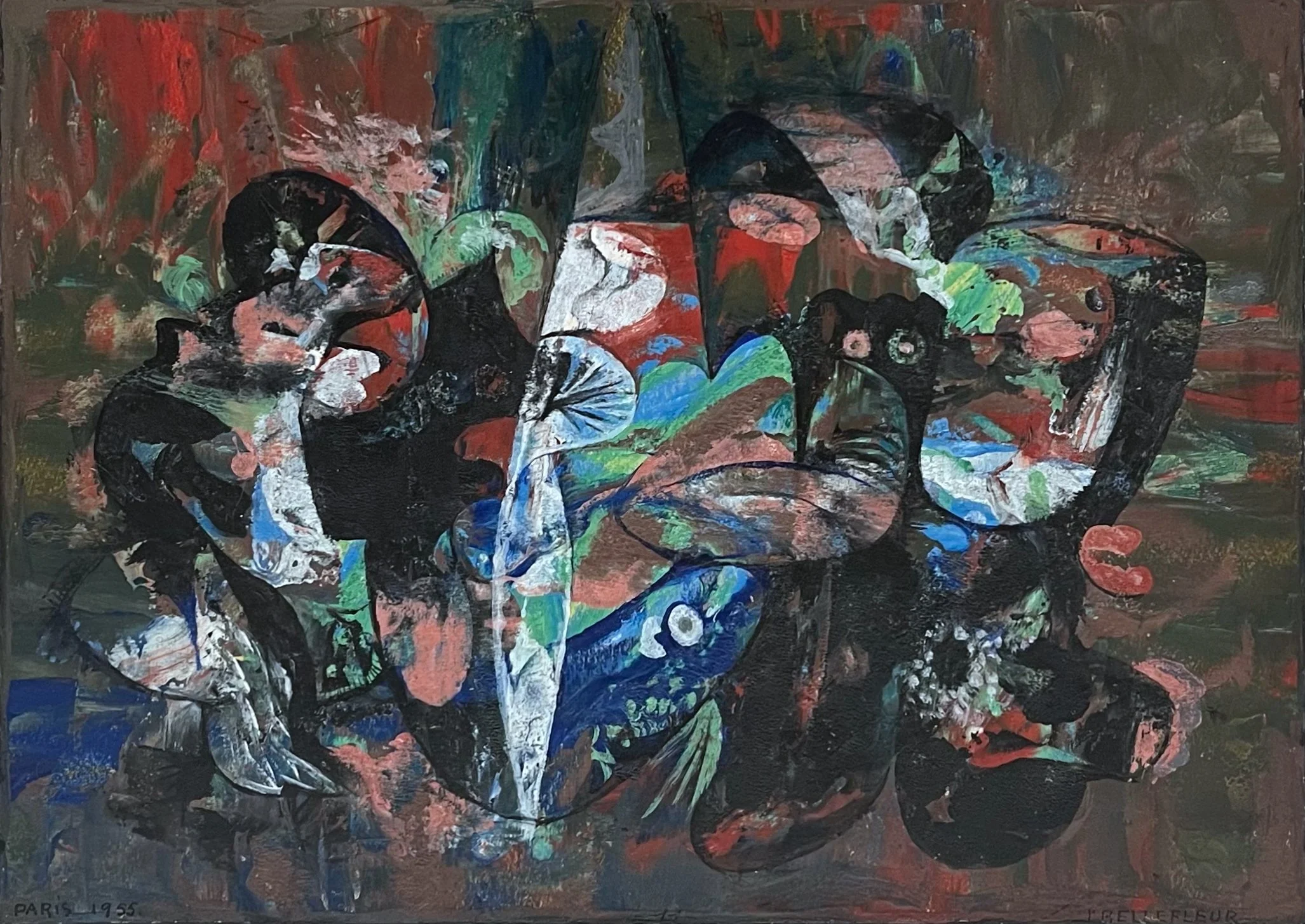
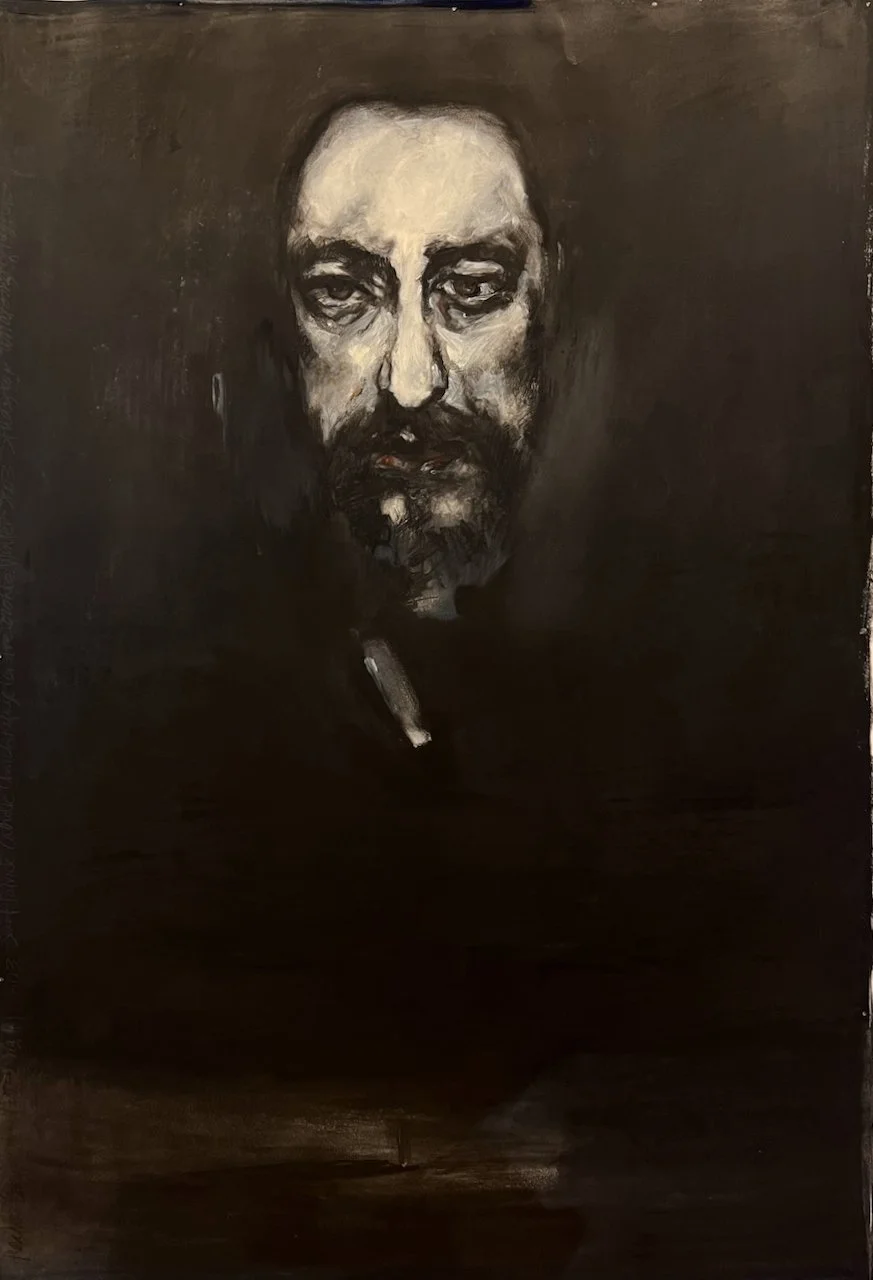
Rachel Berman was an American-born Canadian painter and children's book illustrator, who lived and worked in Canada, the United States, and Ireland.
Once known as Susan King, she discovered her original birth name, birth date, and the names of her biological parents when she was 52. This experience led her to reclaim her long-lost name.

David Blackwood
B. 1941
O.C., O. Ont., R.C.A.
David Blackwood is one of Canada’s most respected visual storytellers. His narrative work reflects the legend, toughness and landscape of Newfoundland- an historic journey not that far removed in essence and time.
Blackwood’s work has been exhibited nationally and internationally with over 90 solo shows and scores of group exhibitions. He has been the subject of two major retrospective exhibitions and the National Film Board’s 1974 Academy-Award nominated documentary film BLACKWOOD.
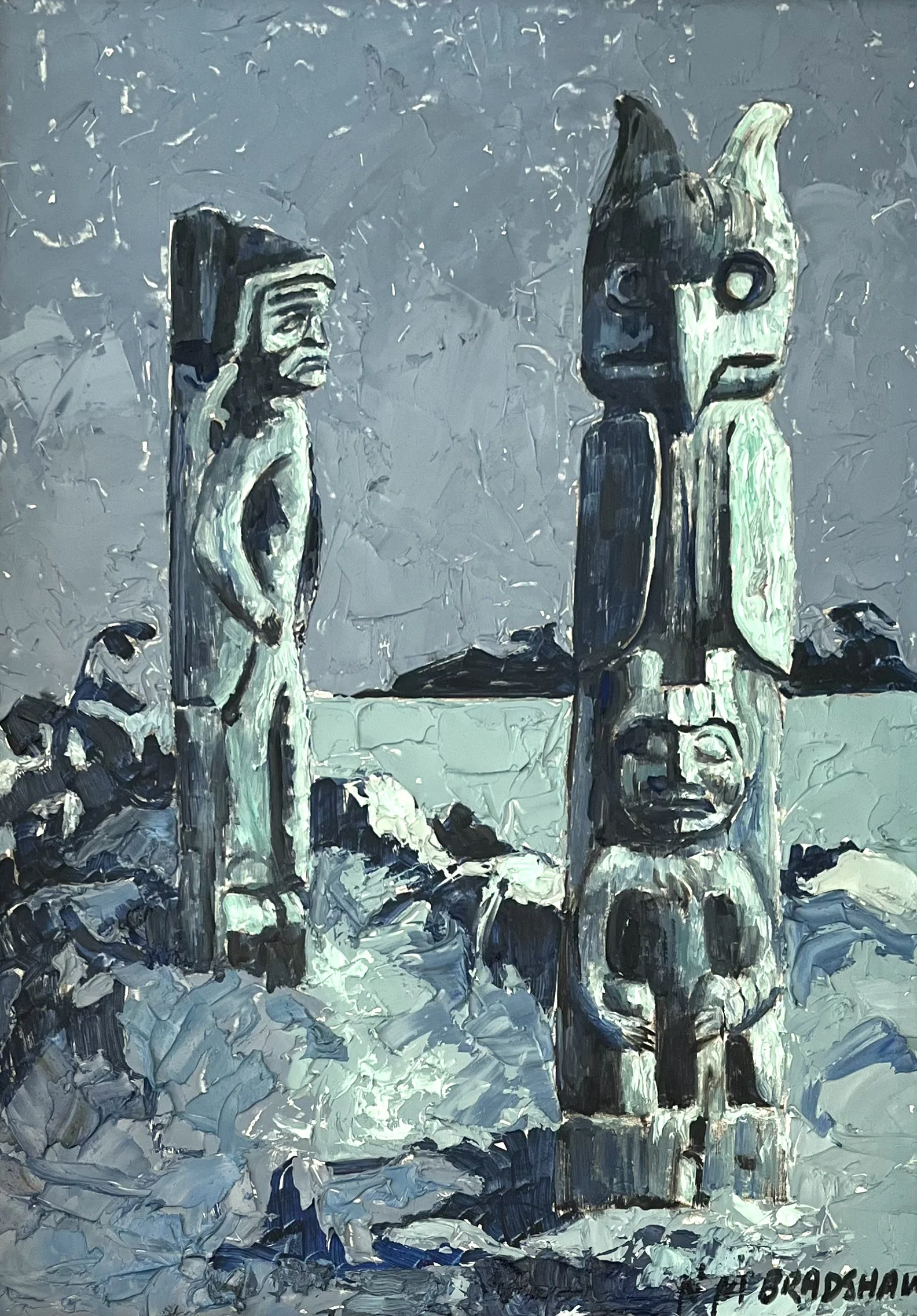
1904 - 1997
ASA
Bradshaw had a strong affinity and appreciation of Haida culture. She made several trips to the Queen Charlotte Islands in the 1970s in order to study and better understand the history, techniques and stories behind totem carvings. Her totem paintings became world renowned and have garnered praise from British Columbia provincial anthropologist Wilson Duff, who has considered her totem works to be of the "highest calibre."
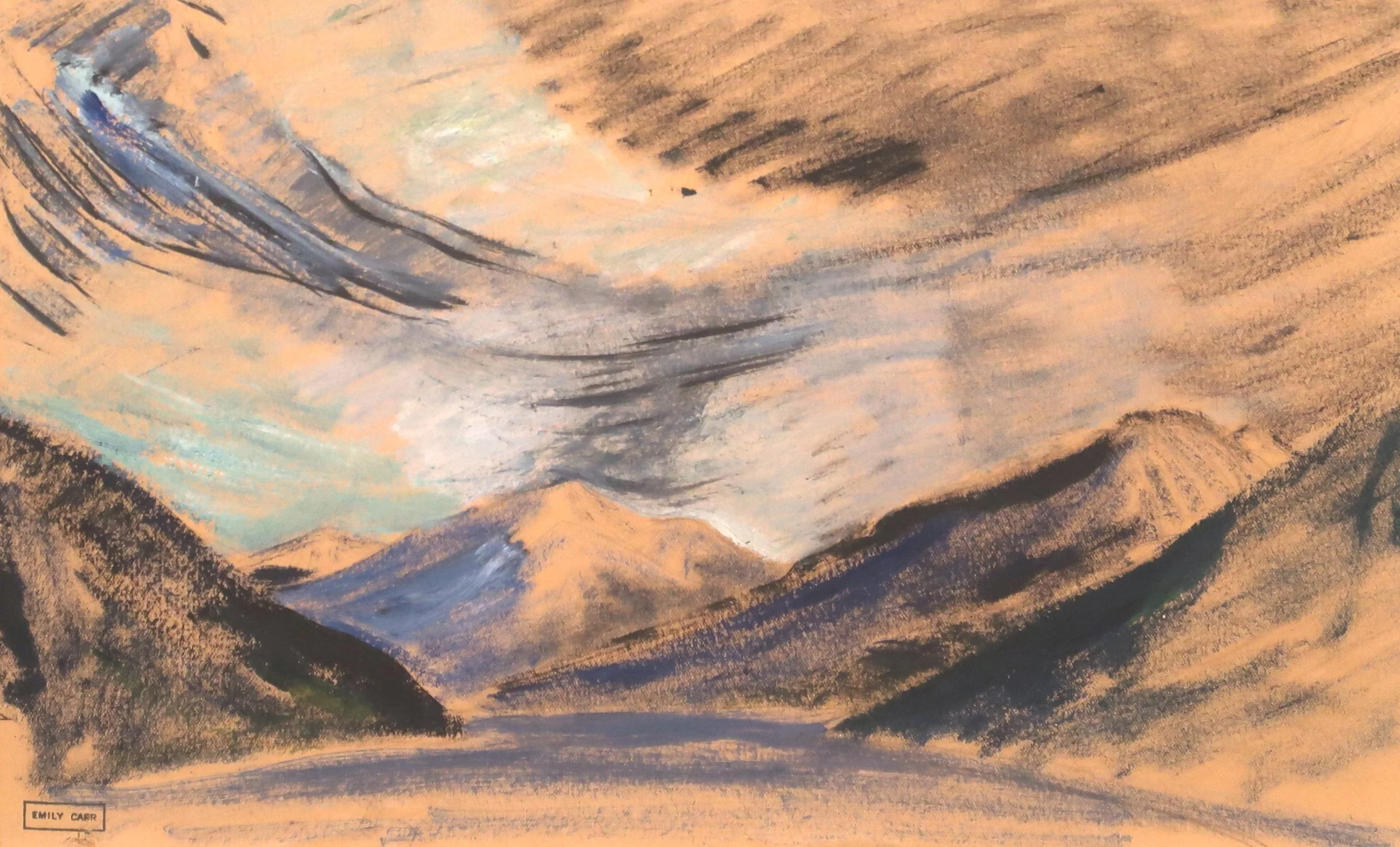
Along with Tom Thomson, the Group of Seven, and David Milne, Emily Carr was one of the preeminent, and perhaps most original, Canadian painters of the first half of the twentieth century; she was also one of the only major female artists in either North America or Europe of that period. In Carr’s mature paintings, like the great Indian Church (1929) in the Art Gallery of Ontario, nature is a furious vortex of organic growth depicted with curving shapes that create the impression of constant movement and transformation. By comparison, the human element – churches, houses, totem poles – seem small and fragile.
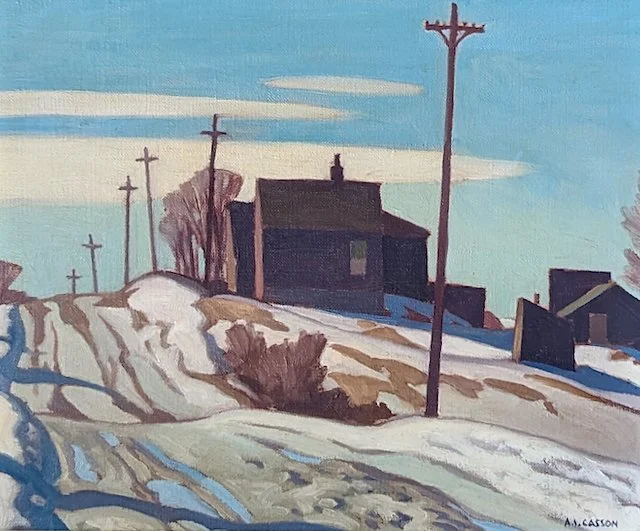
Alfred Joseph Casson
1898 - 1992
Casson studied art in Hamilton and Toronto. In 1919, he got his first real job at a Toronto commercial art firm as Franklin Carmichael's apprentice. Carmichael had the greatest influence on Casson as an artist, taking him sketching and camping, and introducing him to members of the Group of Seven, including Lawren Harris and J.E.H. MacDonald. Along with Carmichael and F.H. Brigden, Casson revived and championed the watercolour medium.

b. 1911 - d. 1990
Born in Toronto, Alan Collier studied under J.E.H. MacDonald, and Franklin Carmichael at the Ontario College of Art (1929-33)
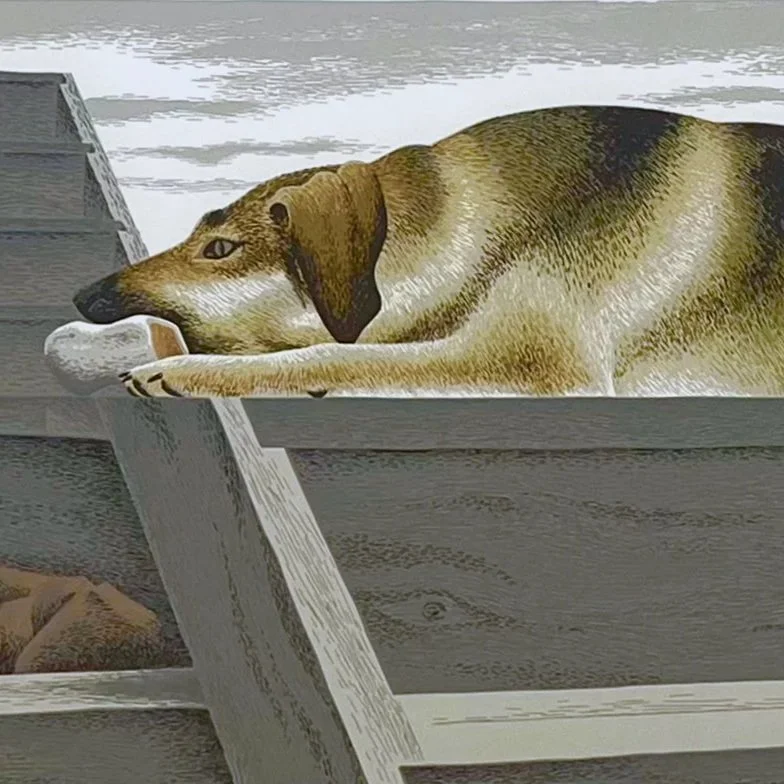
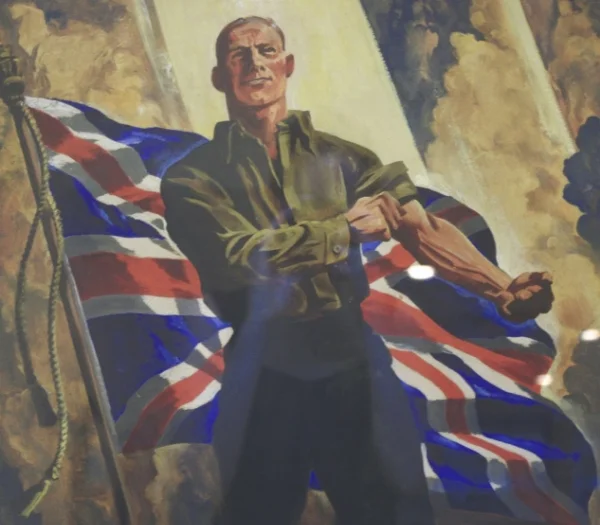
1900 - 1994
Charles Comfort's long career started in Winnipeg at age 14 as an apprentice for Brigdens Ltd. He then went on to study at the Winnipeg School of art, Art Students League (New York) and took classes at the Arts and Letters Club (Toronto).


b. 1890 - d. 1956
FitzGerald spent almost his whole life in Winnipeg painting, drawing and sketching quiet contemplative scenes. He trained in Winnipeg, Pittsburgh and NY. He was principal of the Winnipeg School of Art 1929-47, and exhibited with the Group of Seven in 1930 - joining the Group formally in 1932 - but remained a loner. From a decorative and impressionistic style FitzGerald moved to a pointillist technique.
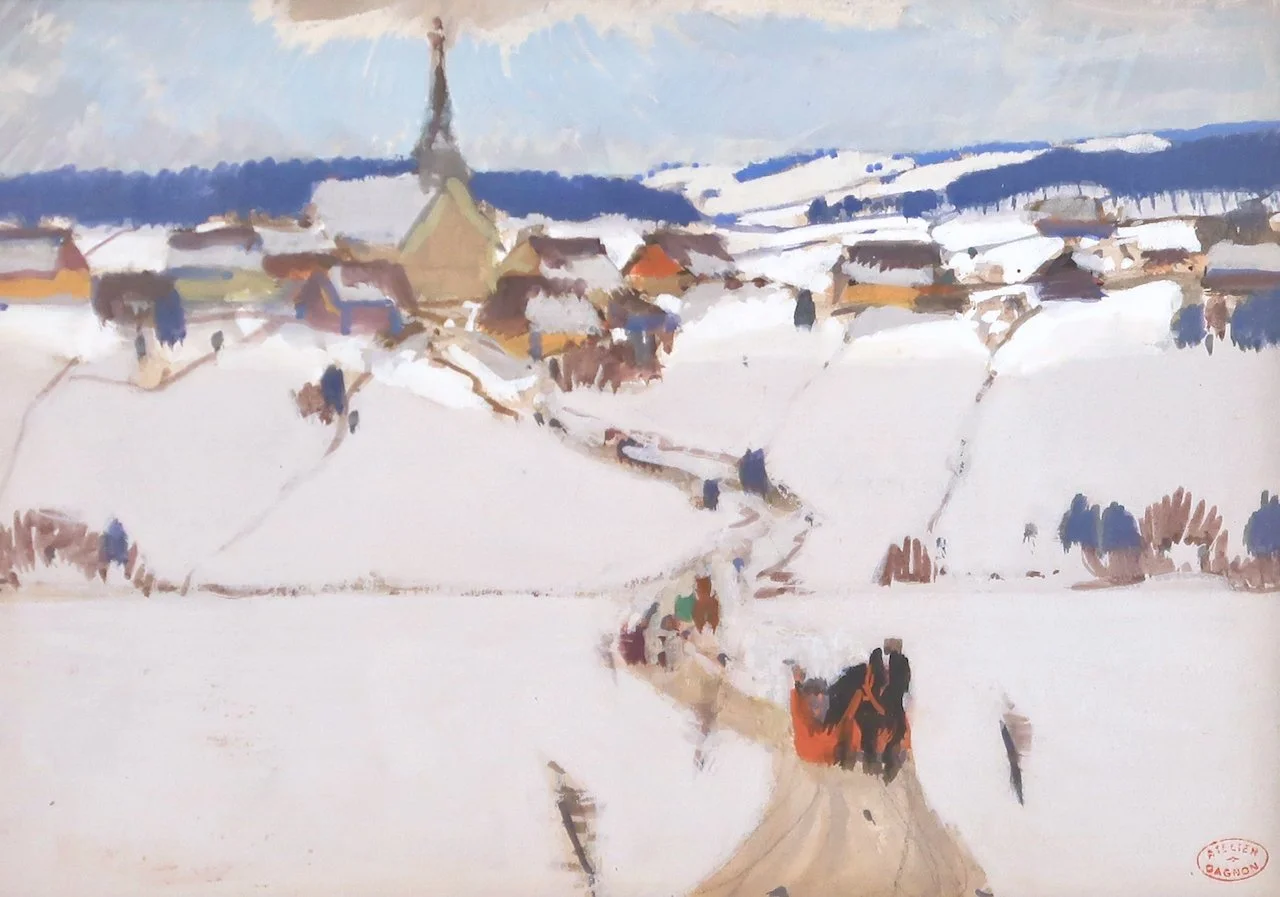
Clarence Gagnon, engraver, painter (b at Montréal 8 Nov 1881; d there 5 Jan 1942). After studying at the École normale du Plateau in Montréal, he received his artistic training from the painter William Brymner at the Art Association of Montreal 1897-1900. The generosity of art patron James Morgan allowed him to go to Paris and study in the studio of painter Jean-Paul Laurens. Gagnon distinguished himself early in his career by the quality of his engravings, and won a gold medal at the St Louis Exhibition in 1904 and an honourable mention the following year at the Salon des artistes français in Paris. Returning to Canada 1909, he divided his time between Montréal and Baie-St-Paul. He became a member of the Royal Society of Canada and later he was elected associate of the Royal Canadian Academy of Arts. In 1923, he received the Trevor Prize of the Salmagundi Club of New York. He illustrated Le Grand Silence blanc(1929) and the deluxe edition of Louis Hémon's Maria Chapdelaine (1933). Upon his return from a second stay in France from 1922-36, U de Montréal awarded him an honorary doctorate.
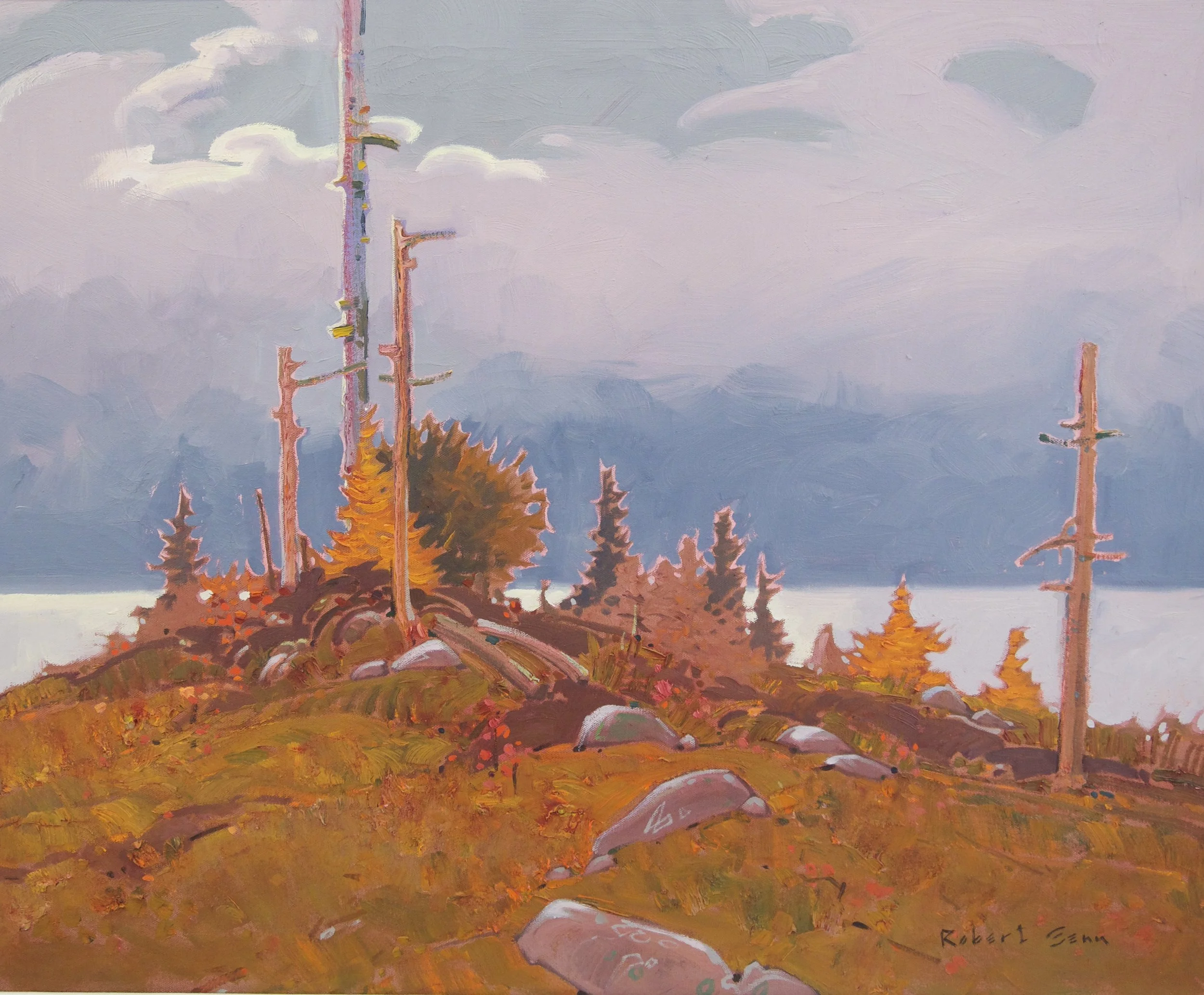
Born in Victoria, BC, Robert Genn was formally trained at the University of Victoria, the University of BC and the Art Centre School in Los Angeles, California. Throughout his career Genn garnered an international reputation for his ability to capture the colour and form of the Canadian landscape with strong brush strokes. He is most well known for painting west coast and rocky mountain scenes.

1906 - 1998
ASA CSGA FCA PDCC RCA
Henry George Glyde trained at the Royal College of Art, London (1926-30). He came to Canada in 1935 to teach drawing in Calgary at the Provincial Institute of Technology and Art and in 1936 became head of the art department. He was also head of the painting division of the Banff School of Fine Arts (1936-66). In 1937 he began teaching community art classes with the Dept of Extension, U of A, where he went on to establish the Division of Fine Art. He taught there between 1946 and 1966.

Edward W. (Ted) Godwin, OC was a Canadian artist who was part of the Regina Five, a group of five artists (Ken Lochhead, Art McKay, Ron Bloore and Douglas Morton) all based in Regina, Saskatchewan. He is also known for his large tartan paintings.
Born in Calgary, Alberta, he attended the Southern Alberta Institute of Technology and Art from 1951 to 1955.


1926 - 2015
<br>OC
The best known of the Yukon painters, Harrison has won international recognition for his painting as well as for his children's stories and illustrations (The Last Horizon, 1980; The Cremation of Sam McGee, 1986). He studied art at the Hartlepool College of Art in England and later earned an art teacher's diploma. During his schoolteacher days in Carcross, YT, in late 1968, his work underwent a dramatic transformation. He simplified his forms almost to a childlike form and introduced sweeping rhythms and lush colours. His trademark paintings often depict faceless people, with the odd dog or raven, standing in front of sunken houses. The backdrop is always composed of colourful lakes, brilliant skies, and mountains that seem to blend into one another. Harrison was the first Canadian artist-illustrator to be shown at the International Children's Book Exhibition in Bologna, Italy, and at the Otani Memorial Museum of Art in Nishinomiya, Japan. He became a Member of the Order of Canada in 1987.
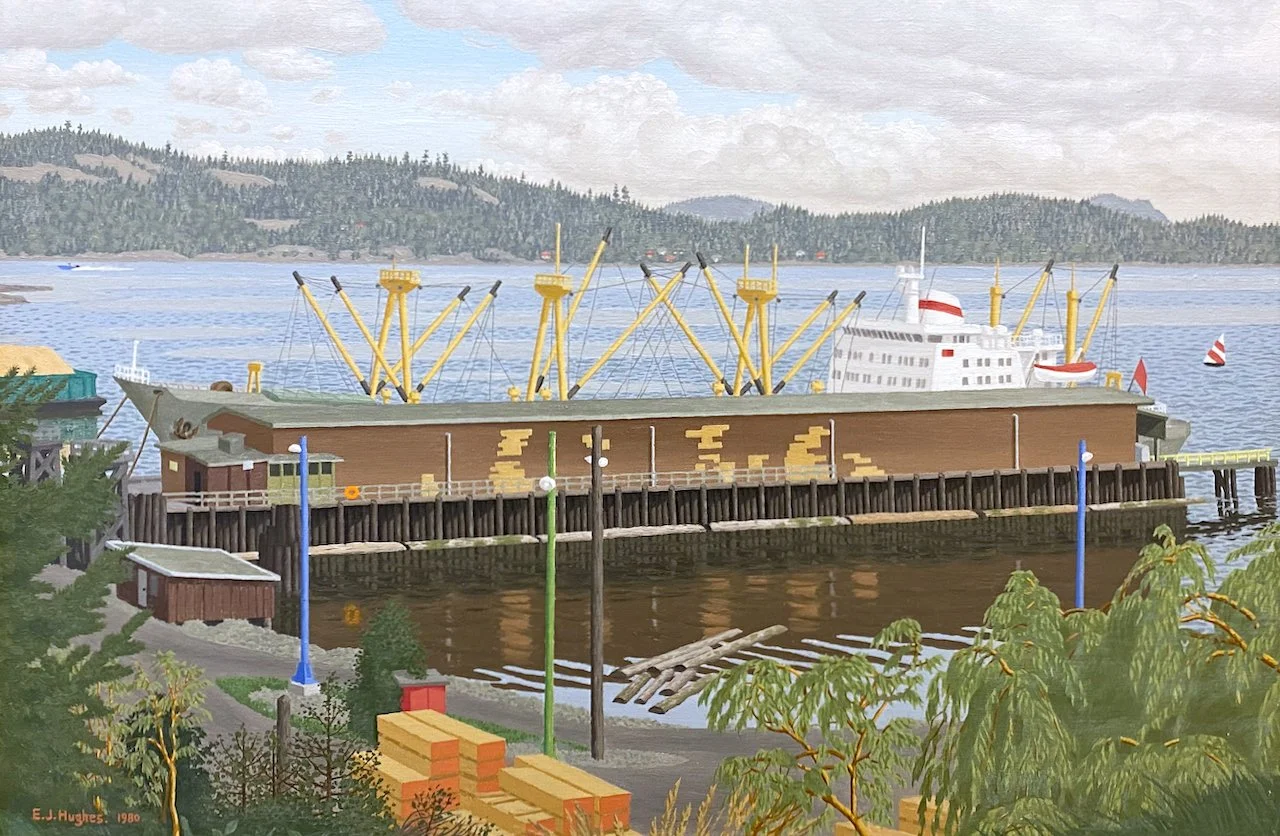
1913 - 2007
E.J. Hughes’s paintings are best known for their strong and appealing images of the landscape and seascape of British Columbia. His distinctive style is marked by the use of flattened space, skewed perspective and simplified shapes. He is a regional painter, whose art relates directly to the unique and powerful geography of the Canadian west coast.
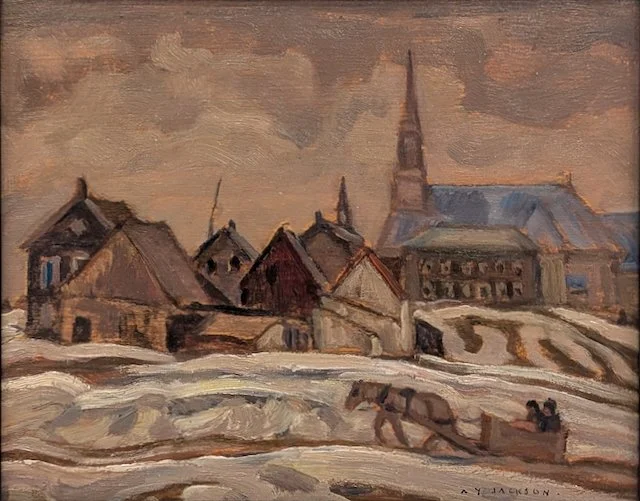
A native of Montreal, Jackson studied with William Brymner at the Art Association of Montreal, at the Art Institute of Chicago in 1906, and with Jean-Paul Laurens at the Académie Julien, Paris, in 1907.
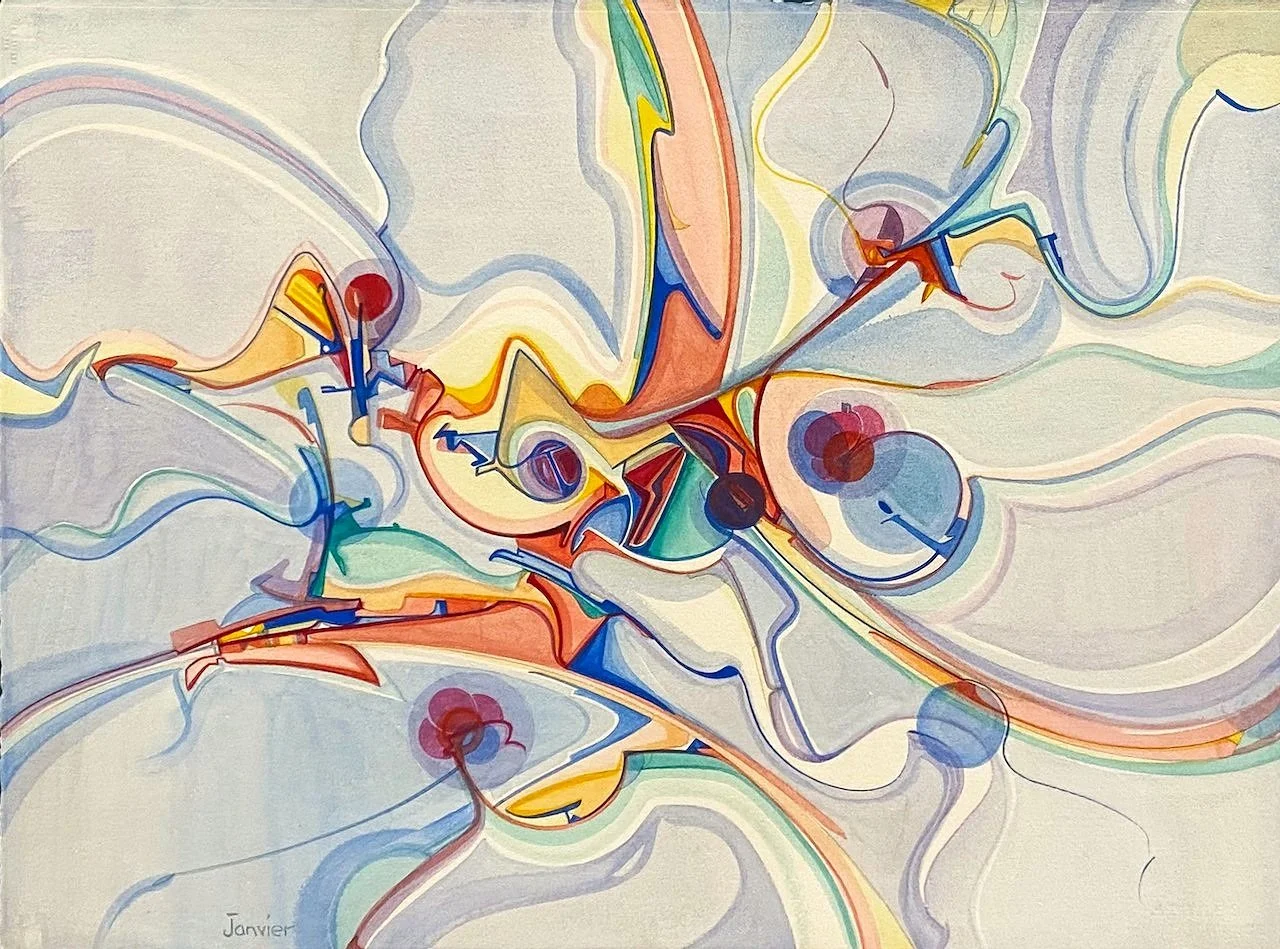

Frank (Franz) Johnston was born in Toronto in 1888. He studied in Germany from 1904 to 1907. In 1910, he left for the United States where he studied art in Philadelphia and worked in commercial design in New York.
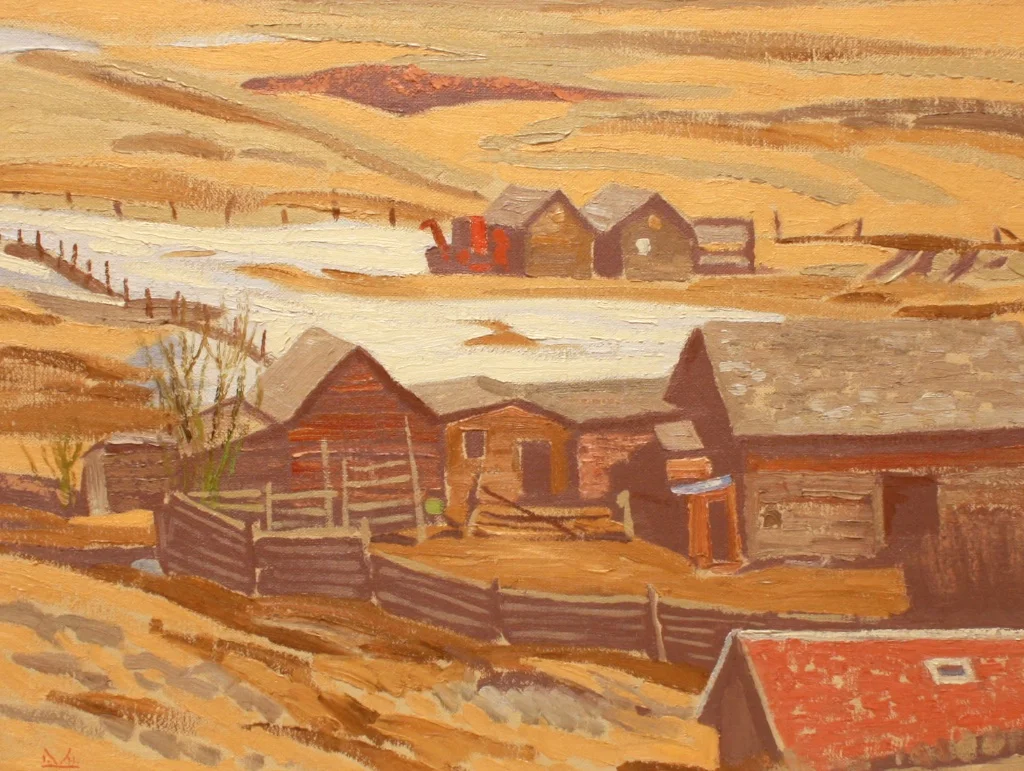
b. 1905 - d. 1989
Illingworth "Buck" Kerr was a Canadian painter, illustrator and writer. He is best known for his landscape paintings of the Saskatchewan and Alberta prairies and foothills. Kerr attended Central Technical School, Toronto, and Ontario College of Art. He also studied at Westminster School of Art, London, in 1936 and, returning to Canada, taught at Vancouver School of Art (1945-47). In 1947 he became director of the art department of the Provincial Institute of Technology in Calgary. His early landscape style reflects the influence of Lawren Harris in his long, curving brush strokes and emphasis on design. He applied paint heavily, giving relief to an otherwise flat, spatial quality in his work. In later works Kerr used a broken brushstroke style that creates visual tension to counteract this 2-dimensionality. Named to the Order of Canada in 1983, he was given a retrospective exhibition ("Harvest of the Spirit") at 9 major public galleries in 1985.
His works can be seen in the Edmonton Art Gallery, the Glenbow Museum in Calgary, in the Lethbridge University Collection and in the Mendel Gallery, Saskatoon.
*Excerpt courtesy of the Canadian Encyclopedia*
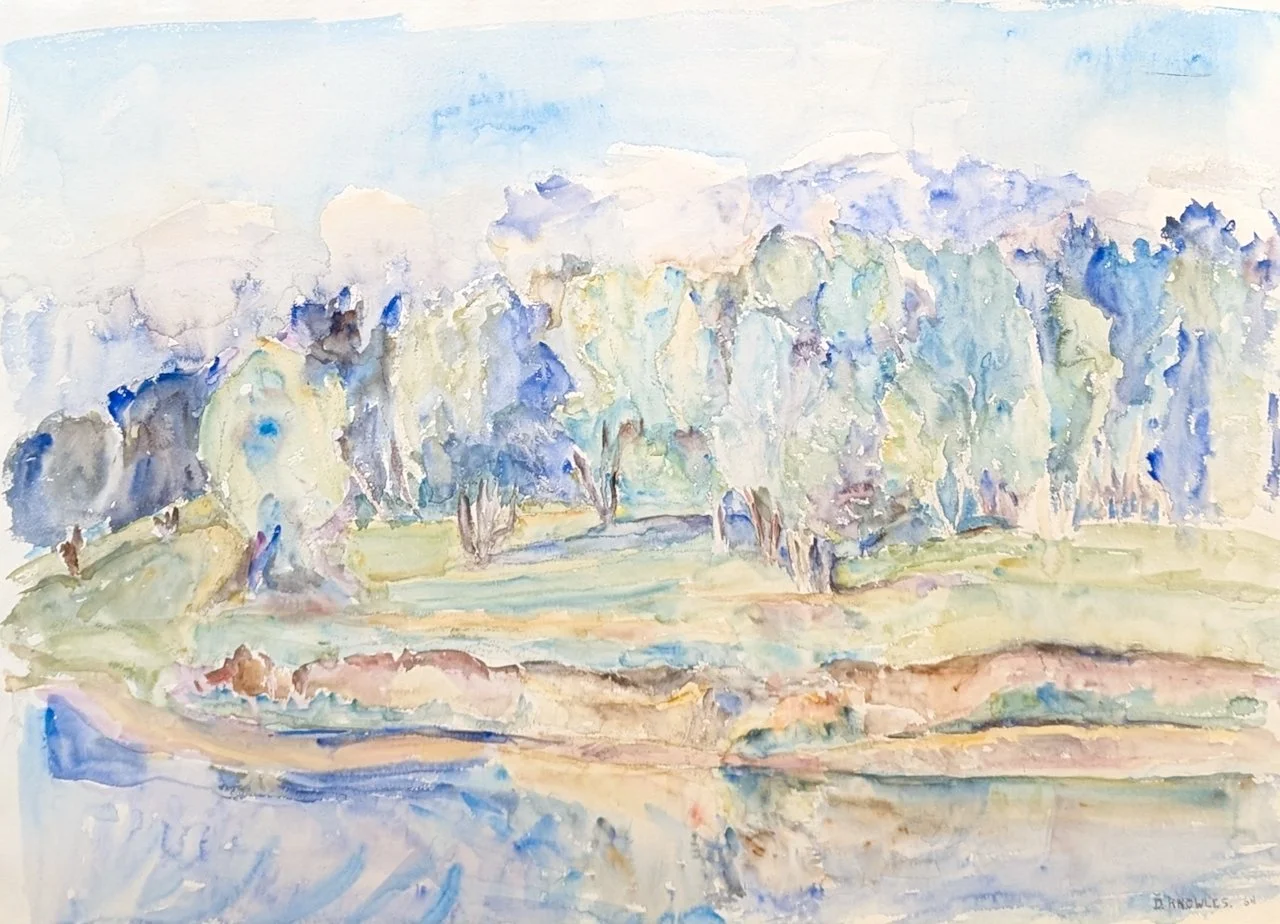

Born in rural Nova Scotia in 1903, Lewis suffered from a series of birth defects that left her fingers painfully deformed, her shoulders hunched and her chin pressed into her chest. She spent most of her adult life as a virtual recluse in a cramped one-room house that had no running water or electricity. For more than three decades, the diminutive Lewis eked out a living rendering colorful oil paintings on the most primitive of surfaces — including particleboard, cardboard and wallpaper — which she sold for a few dollars each. Her miserly husband, Everett, often squirrelled away her slim profits, hiding the cash under the floorboards or in jars buried in the garden. At the age of 67, Lewis — who had suffered lung damage due to constant exposure to paint fumes and wood smoke — contracted pneumonia and died in hospital. She was buried in a child's coffin and laid to rest in a pauper's grave.

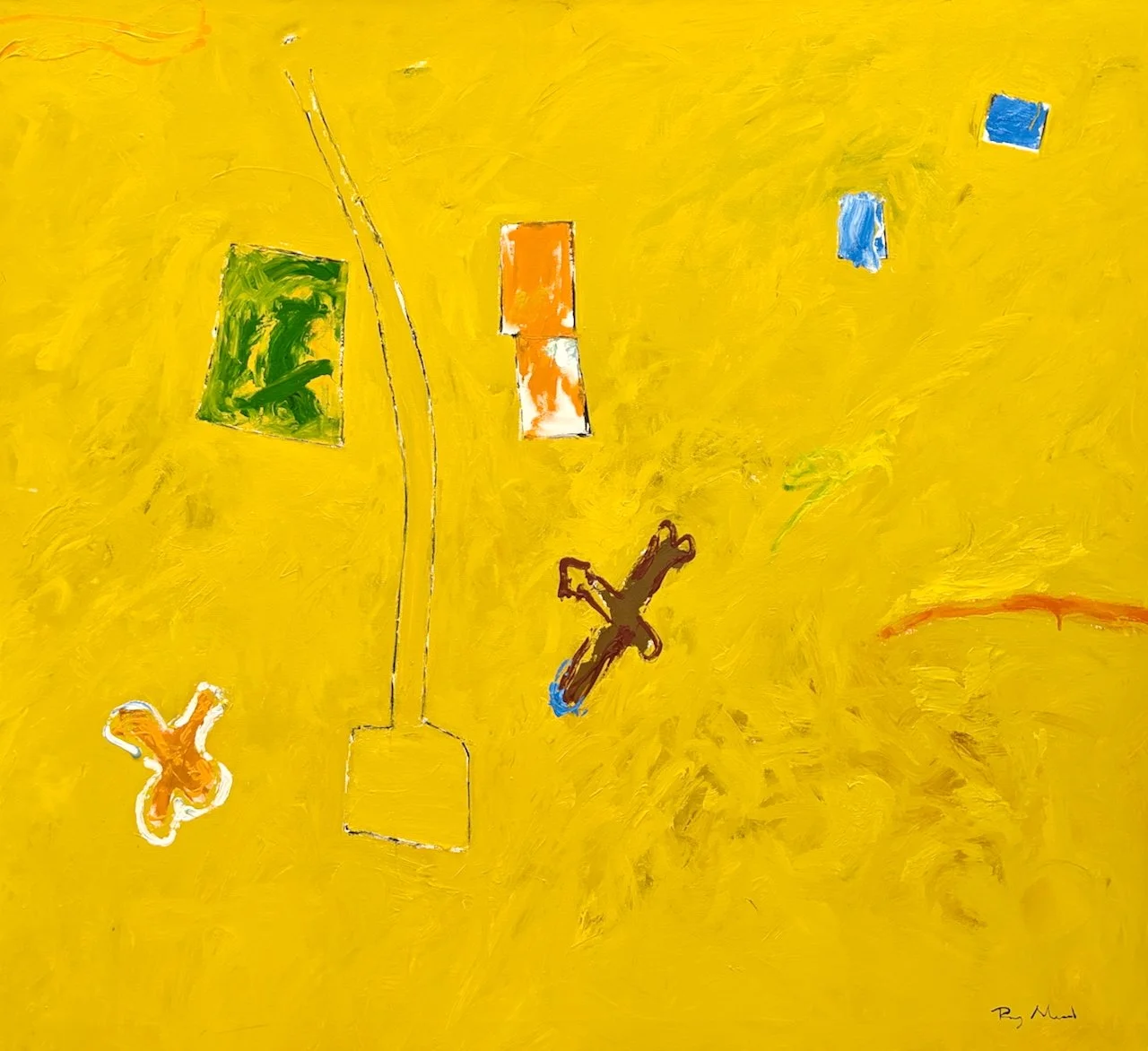
1921 - 1998
Ray Mead is considered a key figure in the development of contemporary painting in Canada. Immigrating to Canada from England in the 1940s, he became a member of the pioneering Painters 11 in the 1950s, going on to develop a style recognized for its energetic brushwork and bold use of colour and space. Mead's works are featured in the collections in numerous public art galleries including the Art Gallery of Algoma, the Art Gallery of Ontario and the National Gallery of Canada.
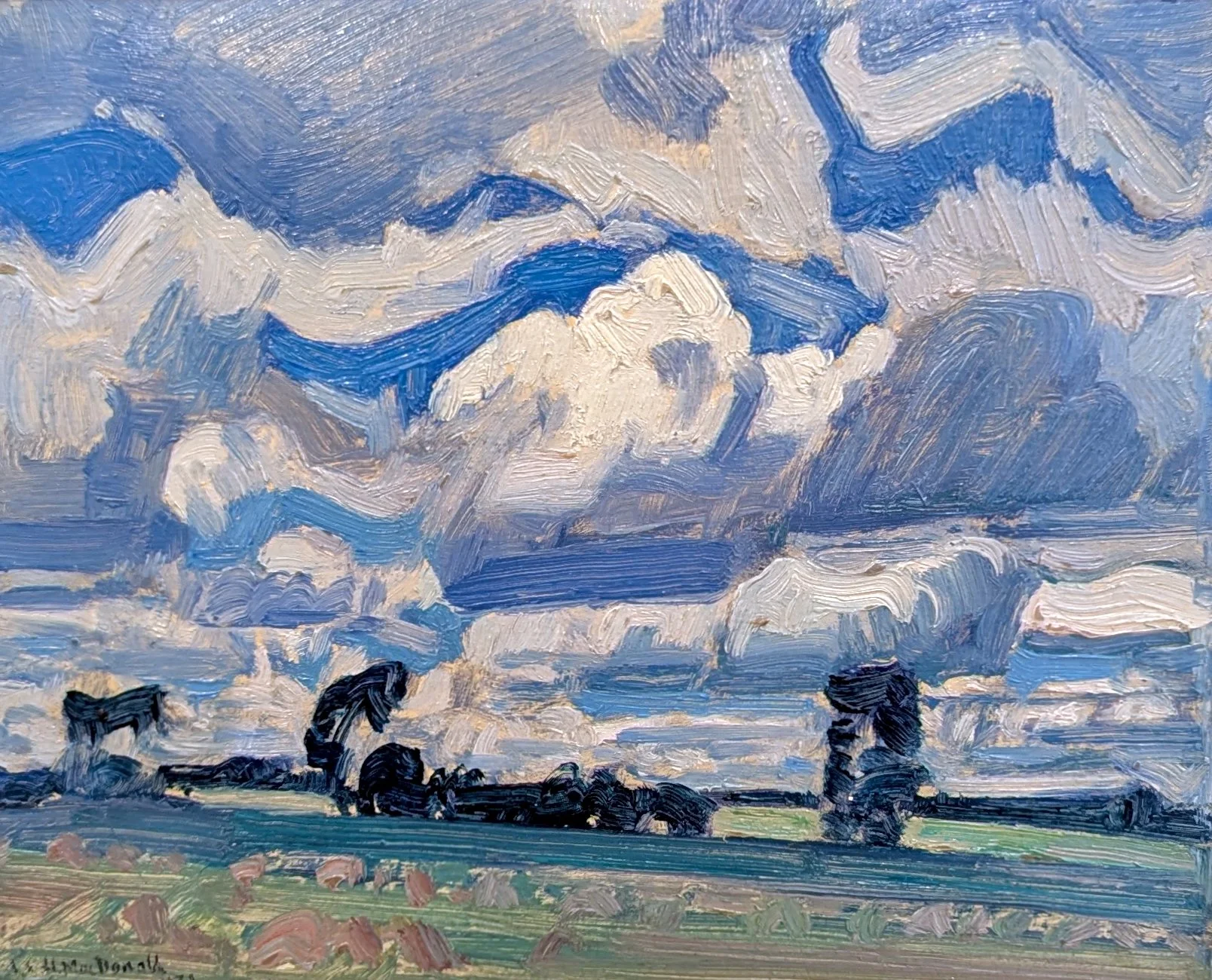

Joe Norris' paintings are among the most celebrated examples of folk art in Canada. Norris devoted his life to painting after a heart attack in his 40's made him unable to work as a fisherman. He started by selling his works locally in and around Halifax. Quickly his work was singled out by collectors and curators for its distinct quality.

Toni Onley is one of British Columbia's most iconic painters. His paintings are part of many institutions' permanent collections, such as the Tate (UK), Victoria and Albert Museum (UK), Museum of Modern Art (NYC), National Gallery Of Canada, Vancouver Art Gallery, and many others. He was an elected member of the Royal Canadian Academy of the Arts, and in 1999 was elected to be a member of the Order of Canada.

Daphnie Odjig is recognized as one of Canada's most prominent artists. Her work helped establish the "Woodlands style."
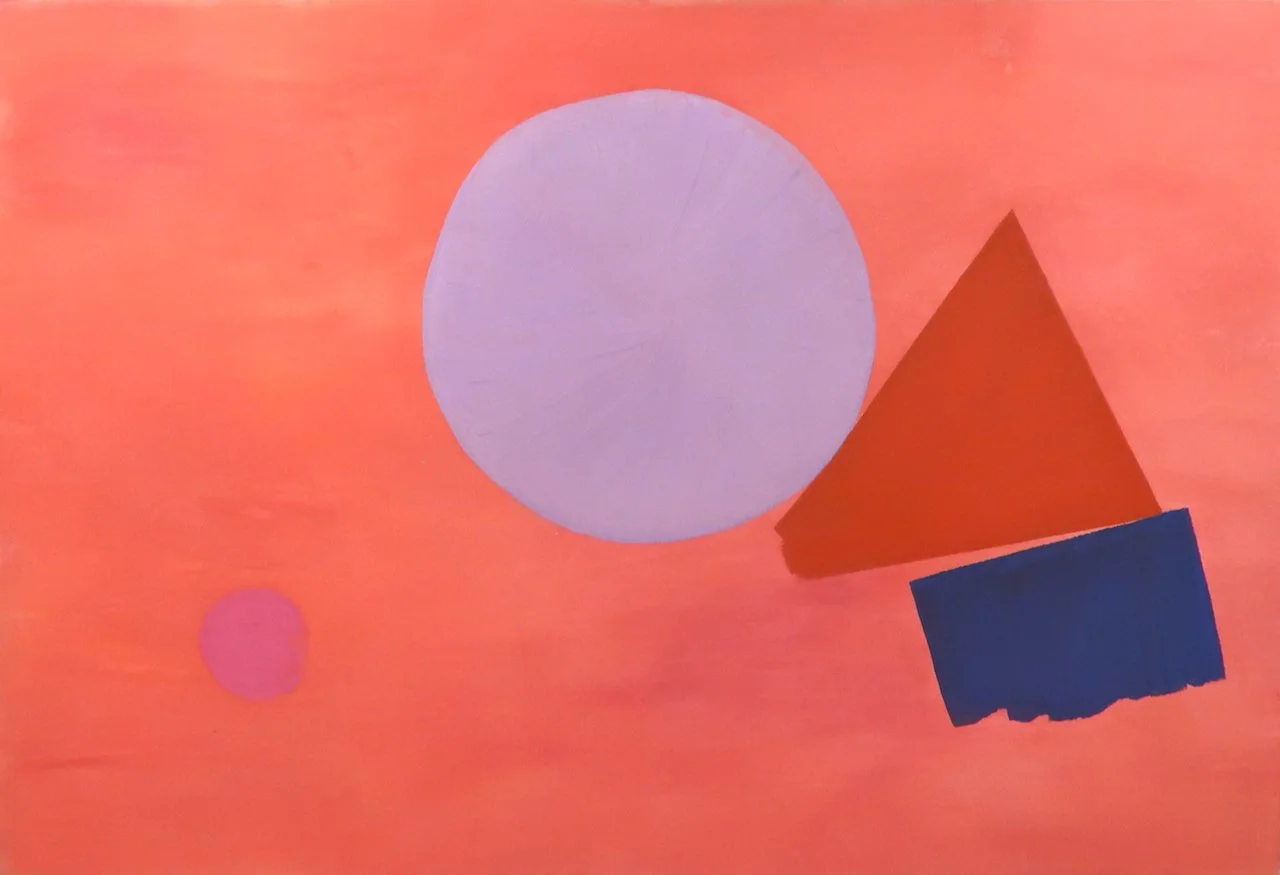
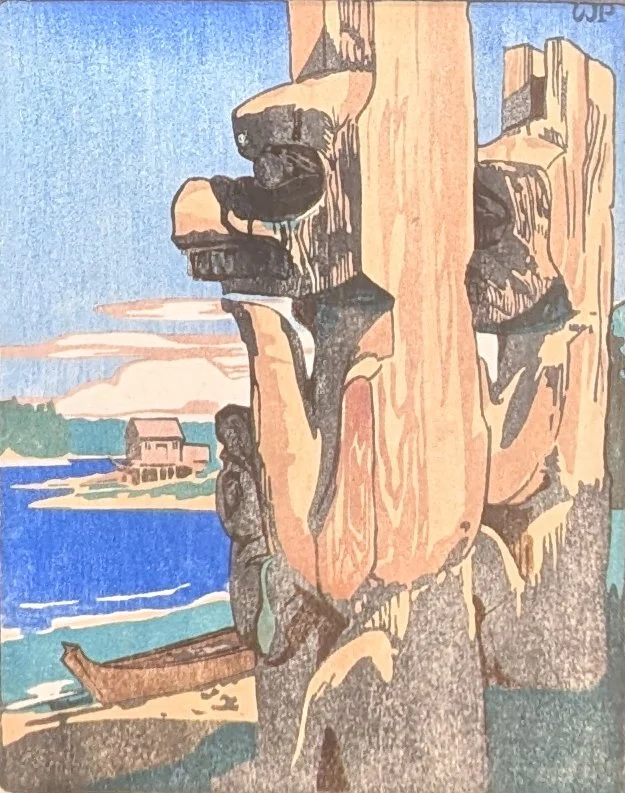
Walter Joseph Phillips <br><br>
1884 - 1963<br><br>
Born in 1884 in Barton-Upon-Humber, England, Phillips studied art in Birmingham before pursuing a career as a teacher and commercial artist. Despite enjoying early success as a watercolourist in Britian, Phillips emigrated to Canada, settling in Winnipeg in June 1913. He took up the position as art instructor at St John's Technical High School and quickly established himself in Winnipeg's young art community.
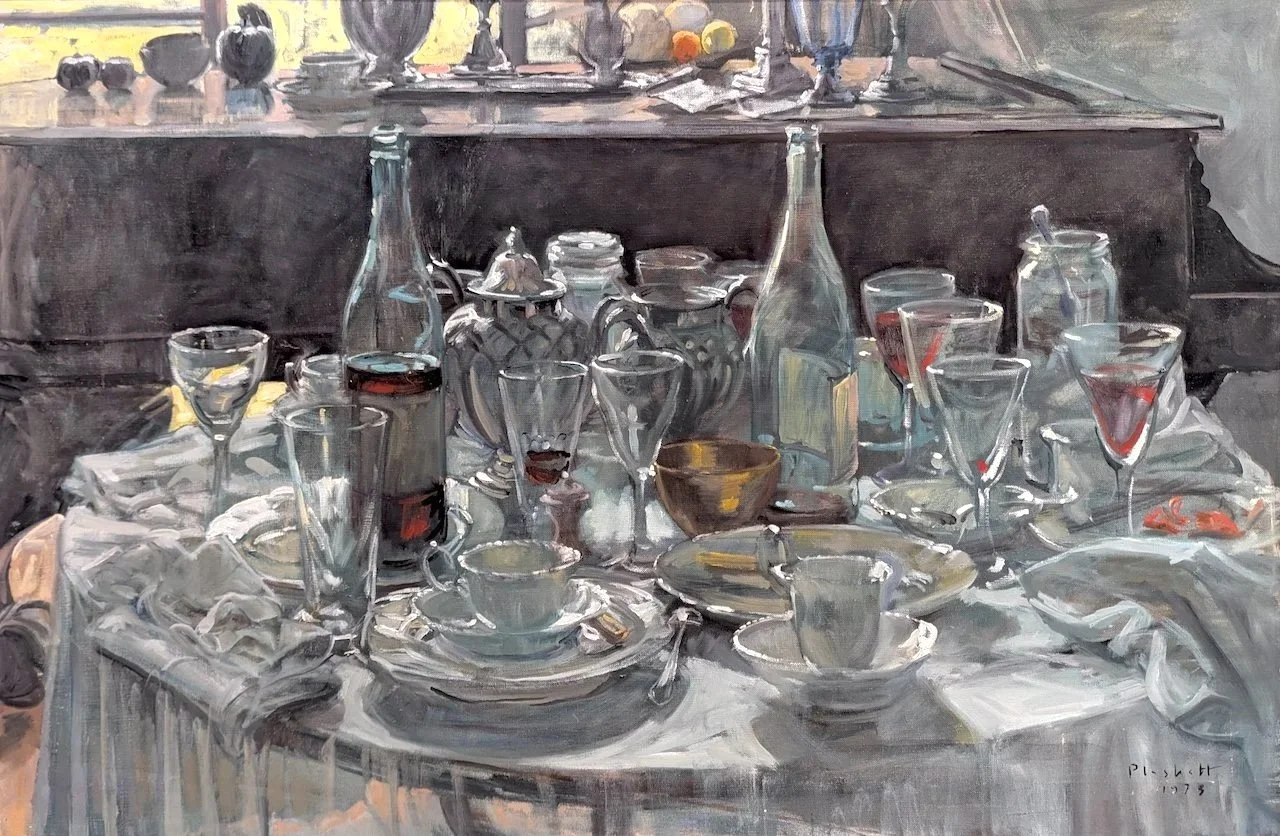


Sarah Robertson was a member of the group of women painters who studied with William Brymner, Maurice Cullen and Randolph Hewton, and she joined the Beaver Hall Hill group and later the Canadian Group of Painters. She painted landscape (the Laurentians and lower St Lawrence) and went on summer sketching trips with Prudence Heward and A.Y. Jackson. She had a blithe personal vision, different from Group Of Seven patterns. Her choice of subject was often the convent spires or old Martello Towers of Montréal. In the mid-1920s her style hardened into tightly controlled composition, perhaps influenced by Lawren Harris, but by the 1930s she had found confidence and spontaneity in works.
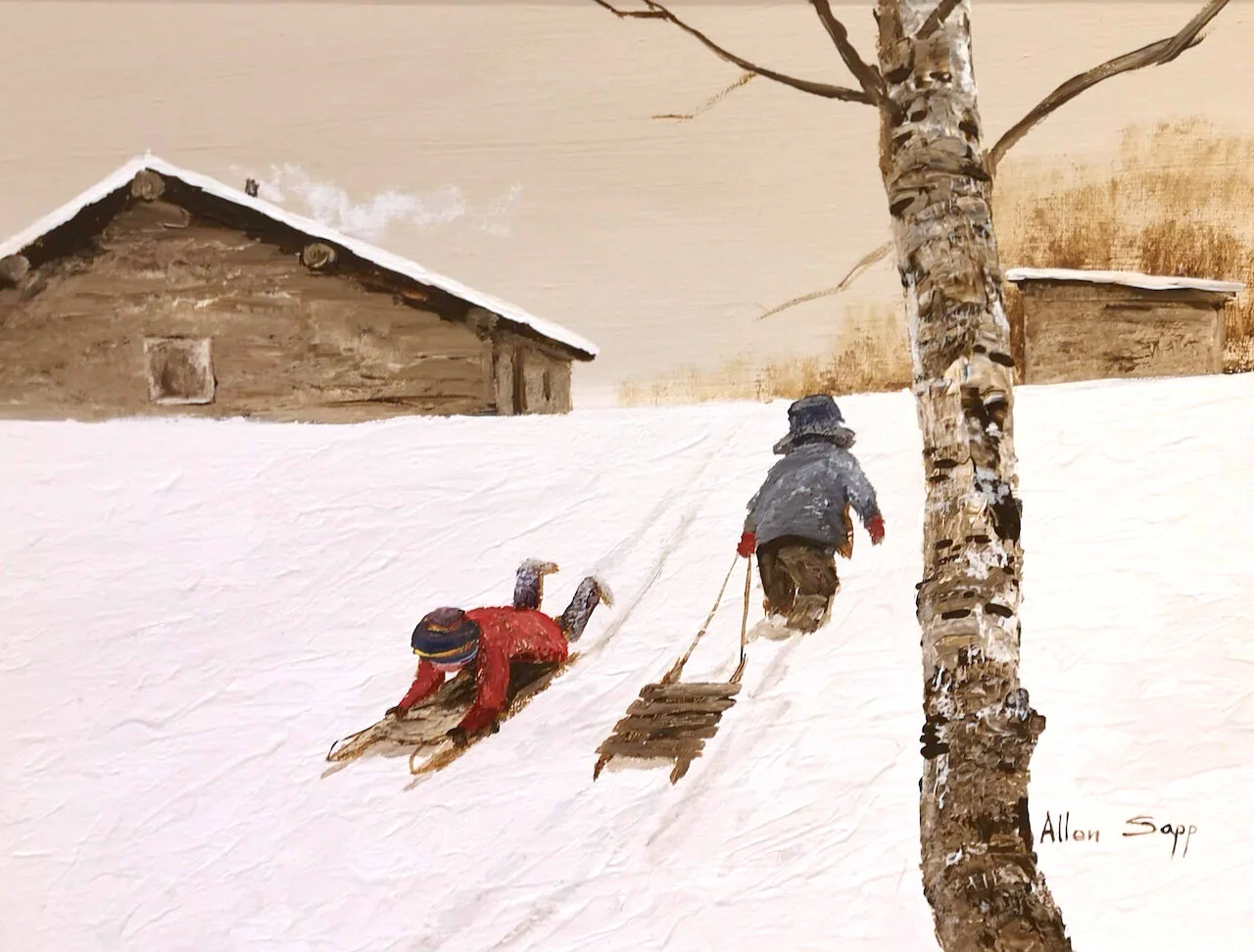
b. 1929 - d. 2015
Allen Sapp moved from the Plains Cree reserve to North Battleford, Sask, in 1960 to pursue a career as a professional artist. In 1966, Dr A.B. Gonor arranged for him to be tutored by Wynona Mulcaster of Saskatoon. Gonor continued to work with Sapp, encouraging him to paint the reserve life as he knew it.

Anne Savage was based in Montreal, Que. Best known during her lifetime as a pioneer in teaching children's art along progressive lines, Anne Savage's early paintings were initially strongly influenced by the Group of Seven. Later her work showed a lyrical quality of its own, characterized by muted colour, sound rhythm and a late-in-life foray into abstraction. Trained by William Brymner, she was a member of the Beaver Hall Hill group and president of the Canadian Group of Painters (1949, 1960). Savage taught at Baron Byng High School 1922-48 and had a far-reaching influence on Montréal artists of the next generation.
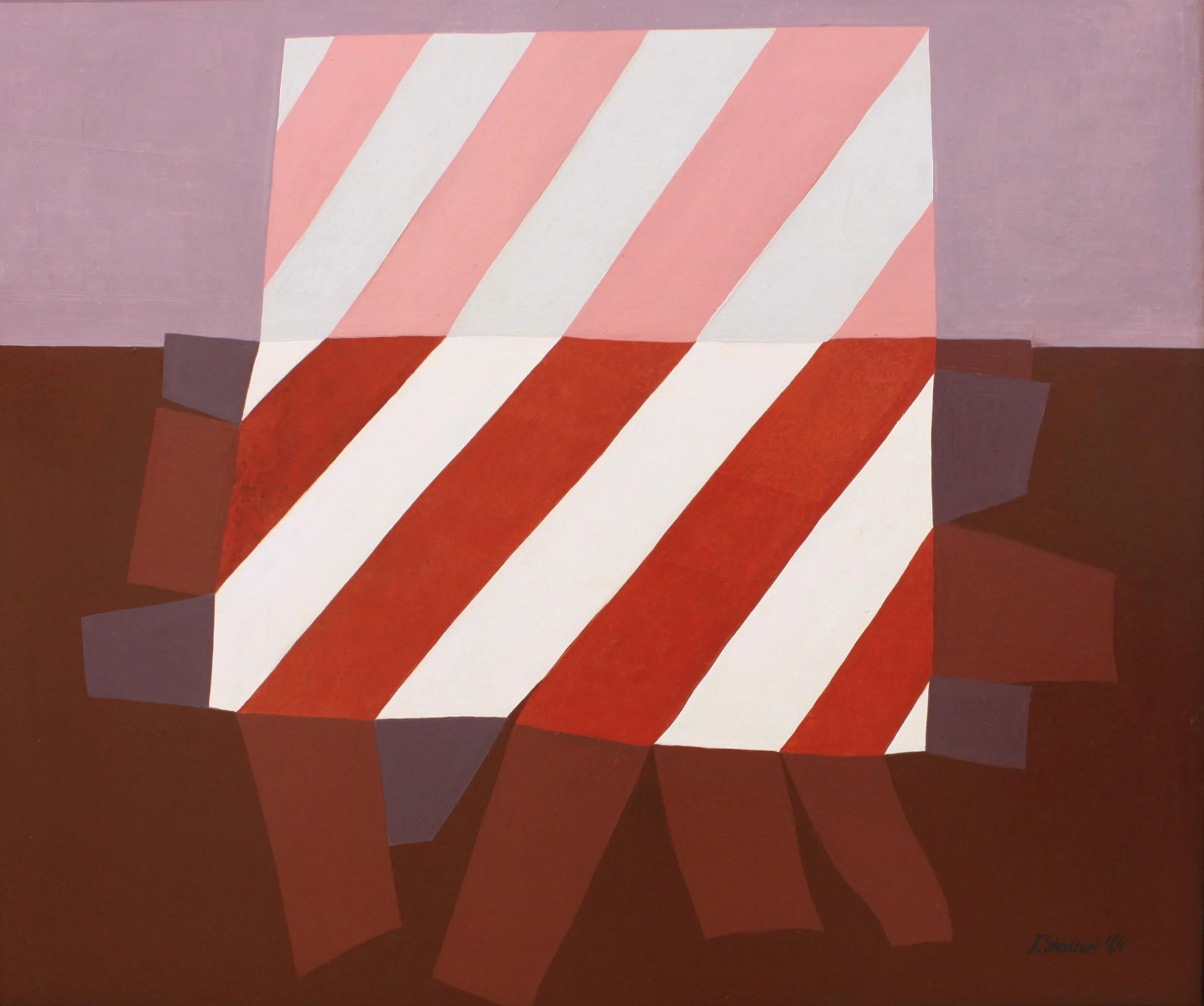
B 1909 - 1998
Jack Shadbolt's paintings reflect his experiences living in British Columbia, studying in New York or working overseas during World War II.

b. 1925 - d. 2003
Herbert Johannes Josef Siebner was born in Stettin, Prussia, and died in Victoria, B.C. Siebner was an Expressionist painter, printmaker, and sculptor. He studied graphic arts under Max E. A. Richter (1941–43) in Berlin and served in the German Army from 1943 to 1945. After the war, Siebner studied at the Academy for Fine Arts & Culture, Berlin under Prof. Max Kaus and Ernst Shumacher (1946–49), and was soon exhibiting his works in exhibitions and galleries. Siebner emigrated to Canada in 1954, settling in Victoria, BC, where he opened an art studio and began teaching his craft.
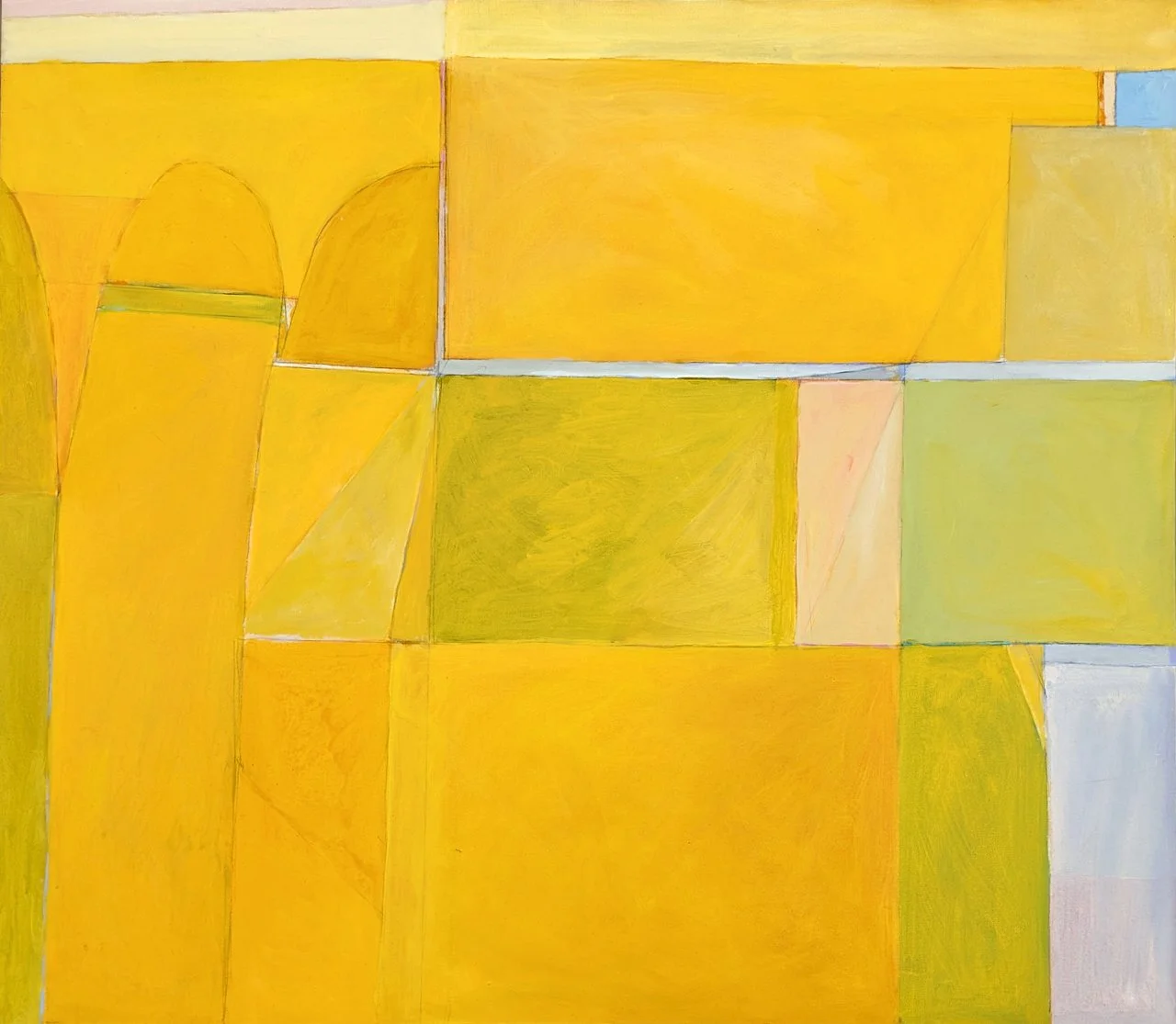

B. 1926 -
"…the views I favour are the grey mists, the rain-obscured islands and the clouds that hide the details. However much we desire order and clarity in all the details of our lives, there are always unexpected events that cloud and change our course. Life is ragged. The typical weather of the coast is like that, just enough detail to make it interesting but not so clear as to be banal or overwhelming. It can be a metaphor for life.'"
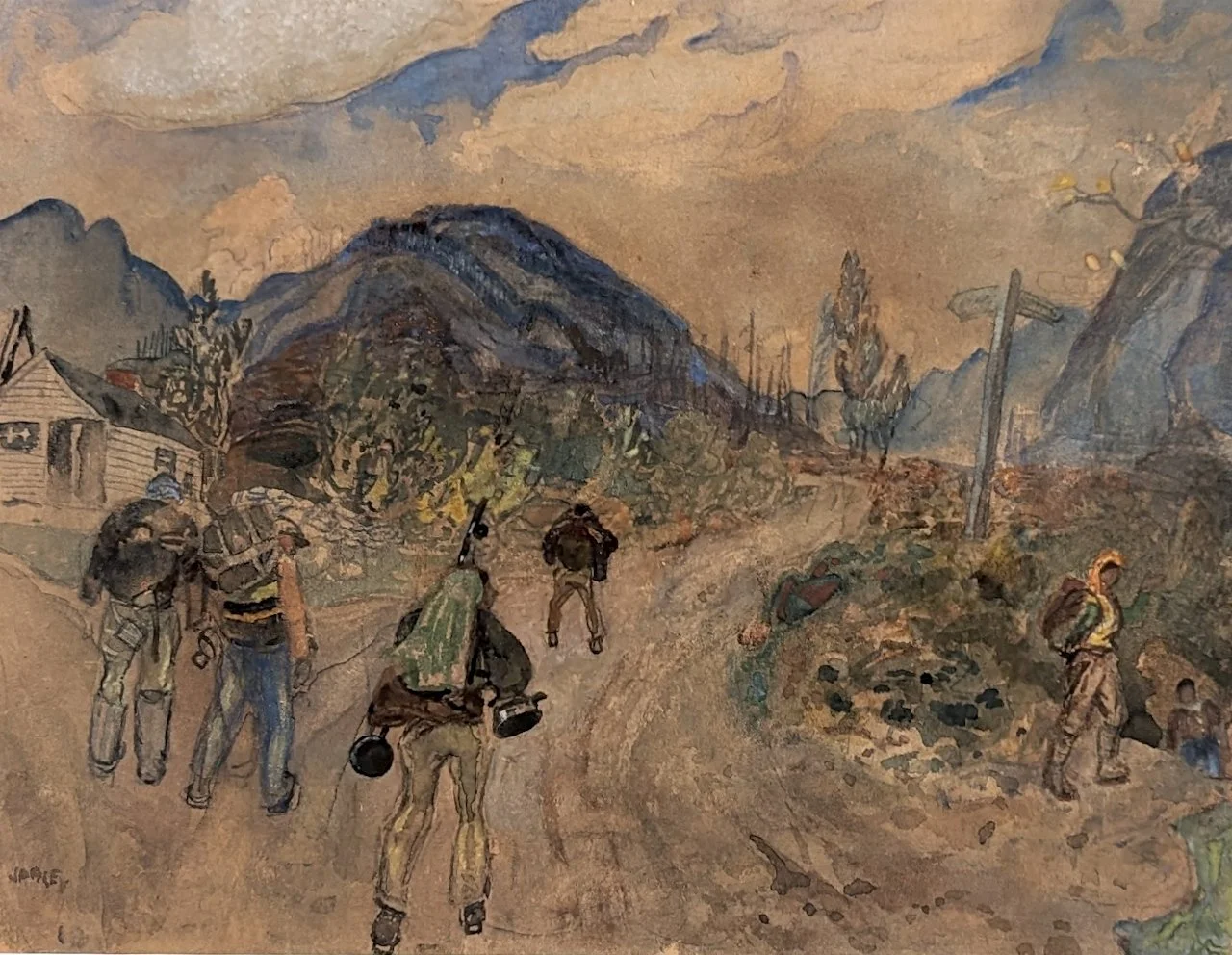
January 2, 1881 - September 8, 1969
Frederick Horsman Varley was born in Sheffield, England in 1881. He began his art training there from 1892-1899 and later attended the Académie Royale des Beaux-Arts in Antwerp, Belgium from 1900-1902. Varley emigrated to Canada in 1912 on the advice of Arthur Lismer and found work at the Grip Ltd. design firm in Toronto, Ontario and afterwards at Rous & Mann. Varley would be appointed as an official war artist during the First World War. In 1920, he became a founding member of the Group of Seven, focusing on not only landscape but also portraiture.