Ernestine Tahedl, R.C.A.: Reflection on Music
/Opening Reception:
Saturday, September 12, 1-3 pm
Artist will be in attendance
Ernestine Tahedl has continually embraced new materials, ideas, and processes in search of meaningful ways to engage the viewer. This is evident in her mixed-media work, such as the mosaic panels displayed outside the Royal Alberta Museum, or the installation of stained-glass panels she made for the “Sanctuary” pavilion at Expo 67. Over six decades of stylistic experimentation in painting, her work has engaged with abstraction and Modernist design while remaining palpably concerned with a humanist reverence for nature, culture, and art history. Through it all, Tahedl’s combination of expressive energy and technical excellence has produced work that is both profound and accessible.

J. Haydn, The Seven Last Words, Largo - 48 x 96 Inches -Acrylic on Canvas - $9700
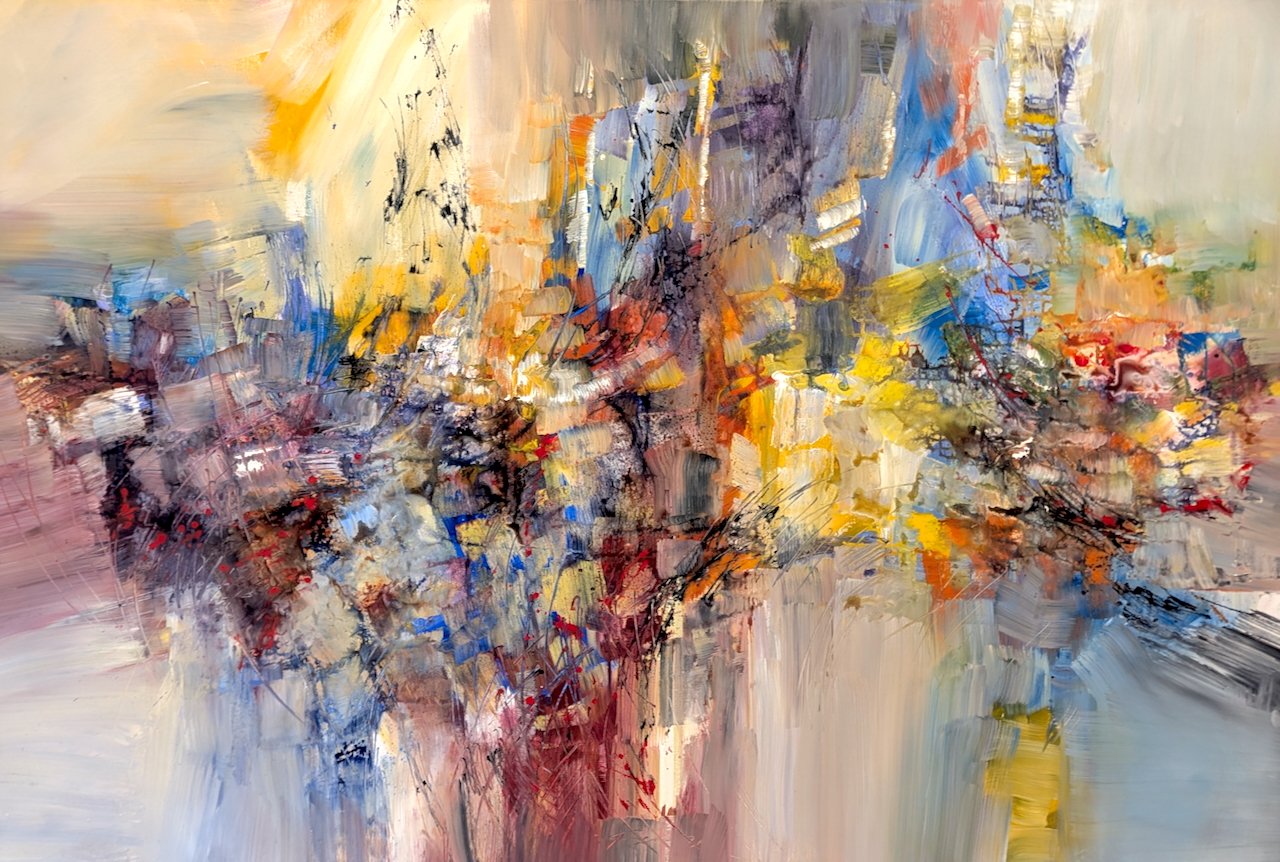
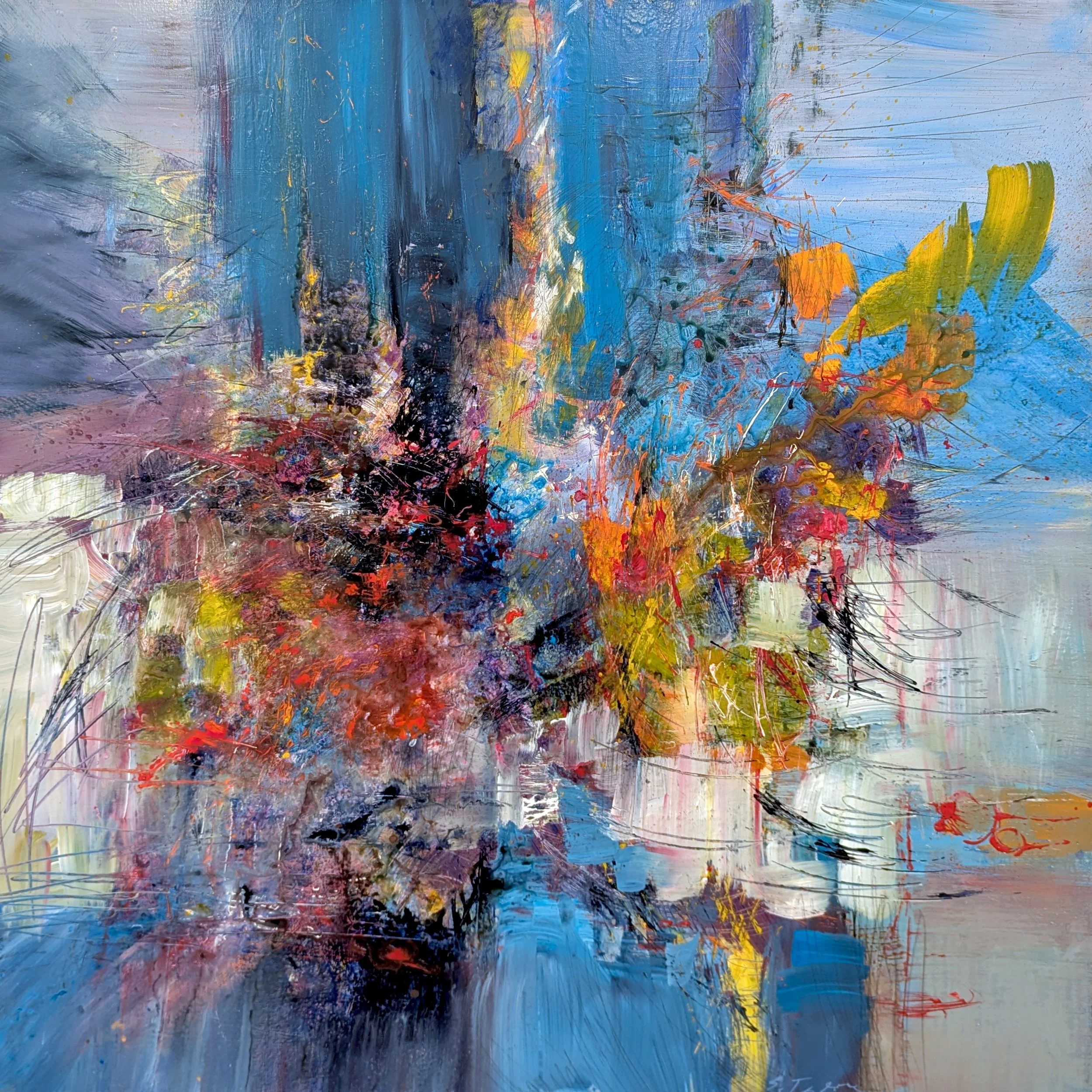
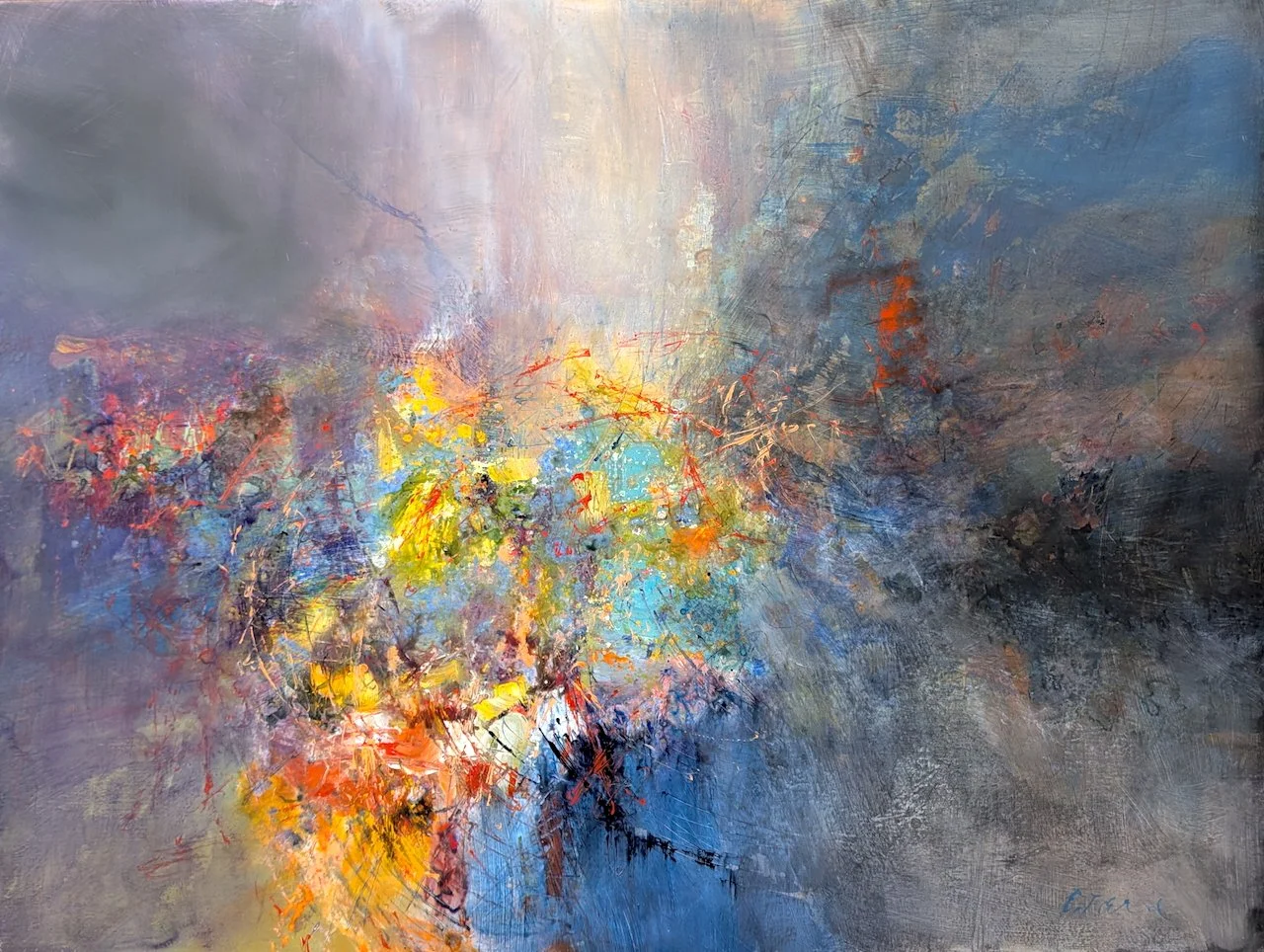
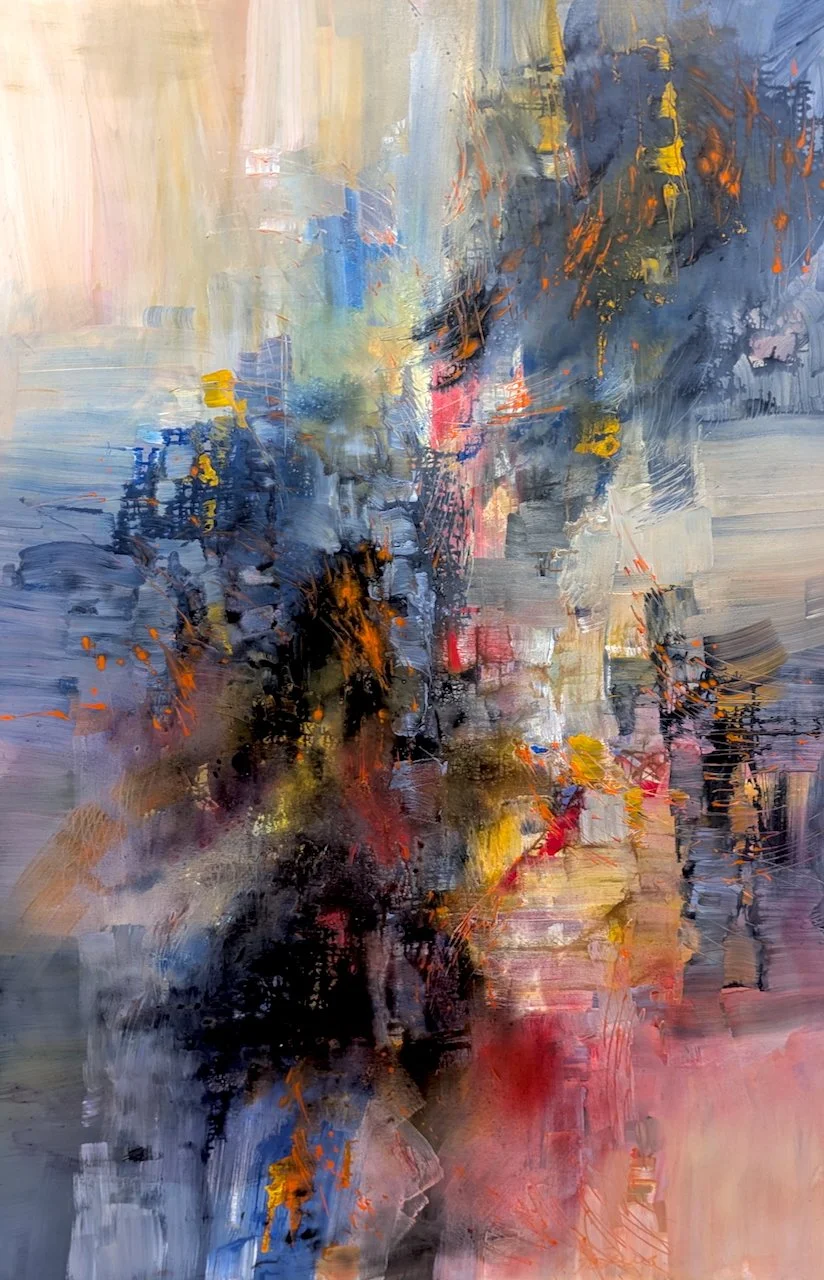
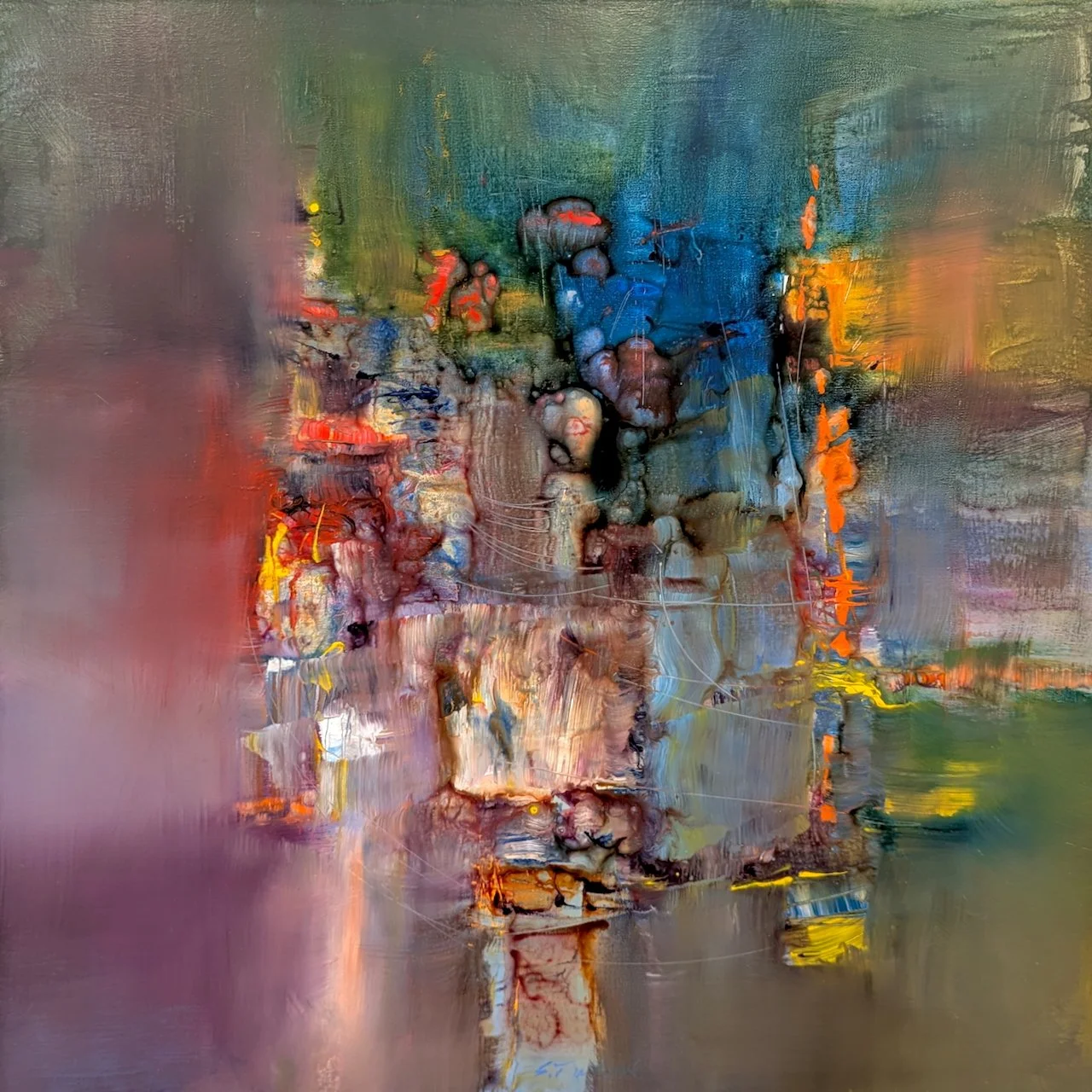
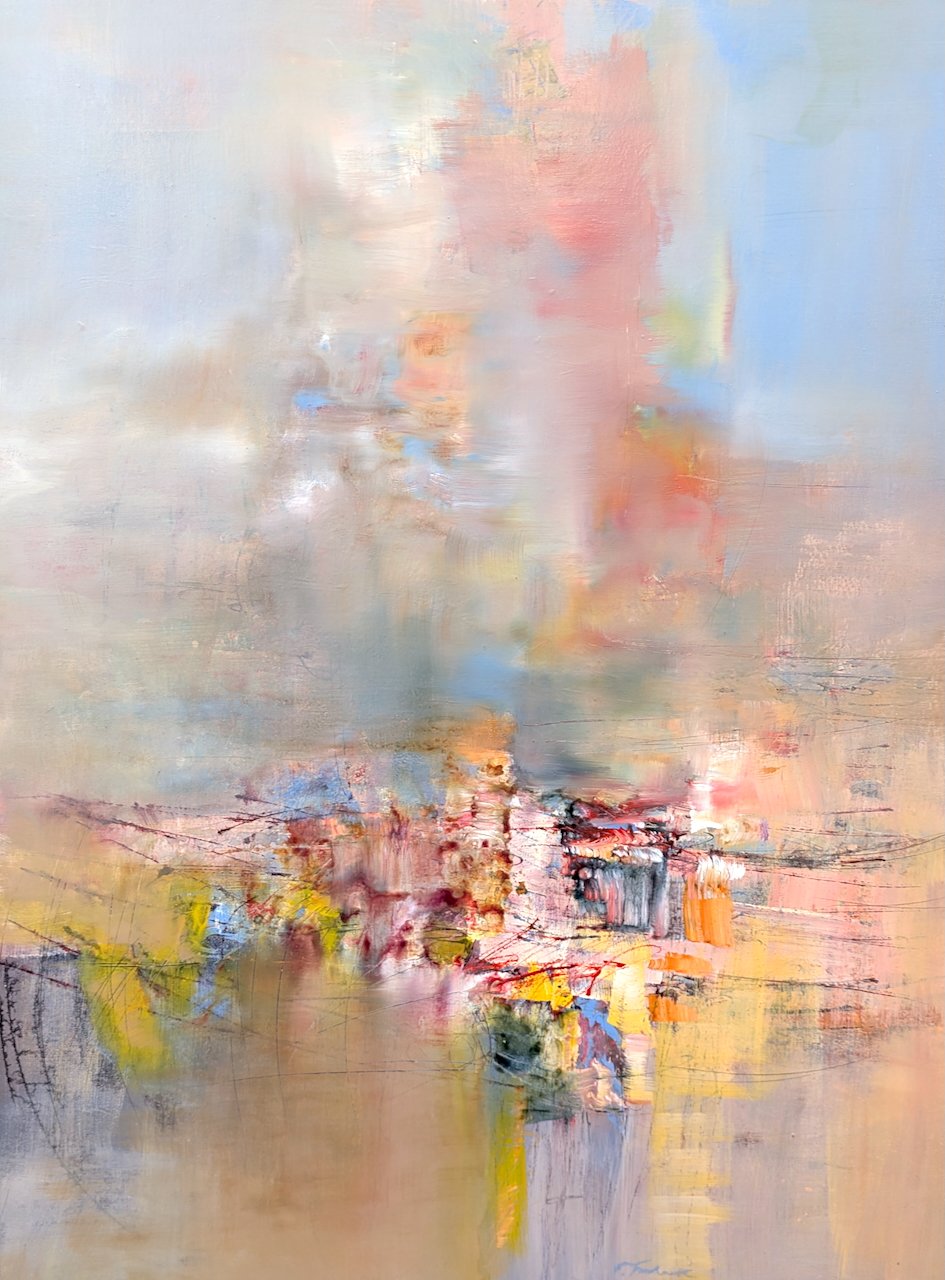
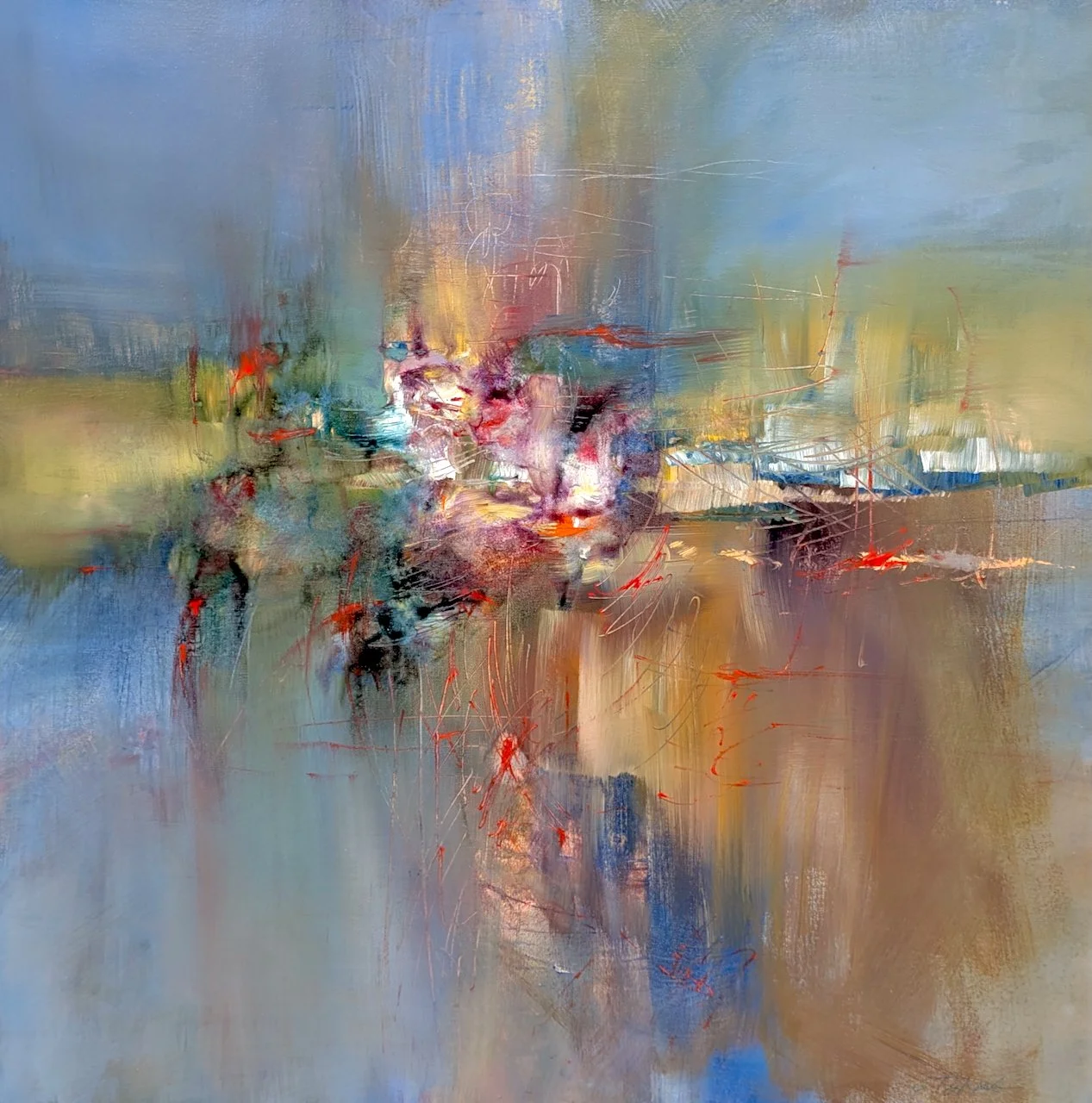
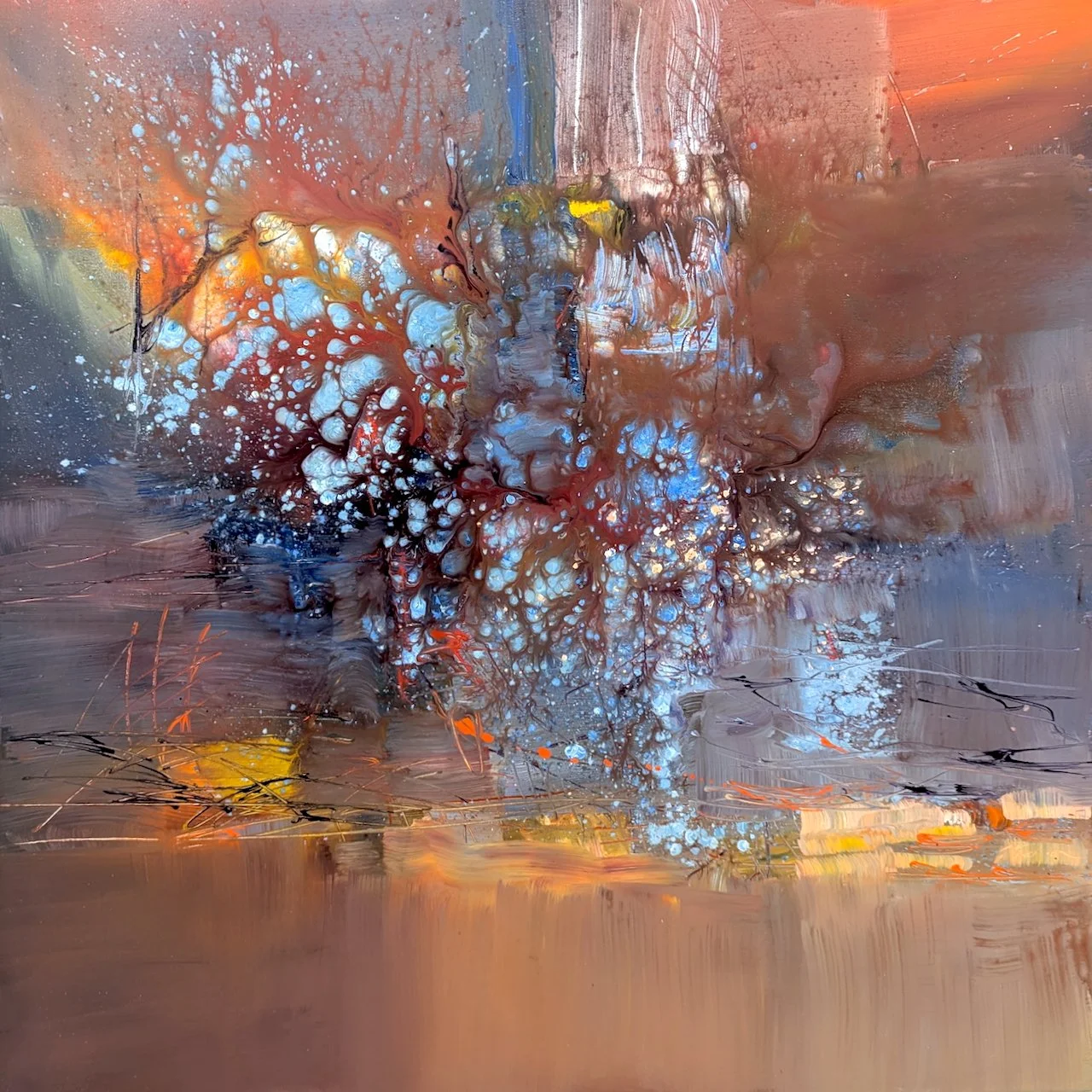
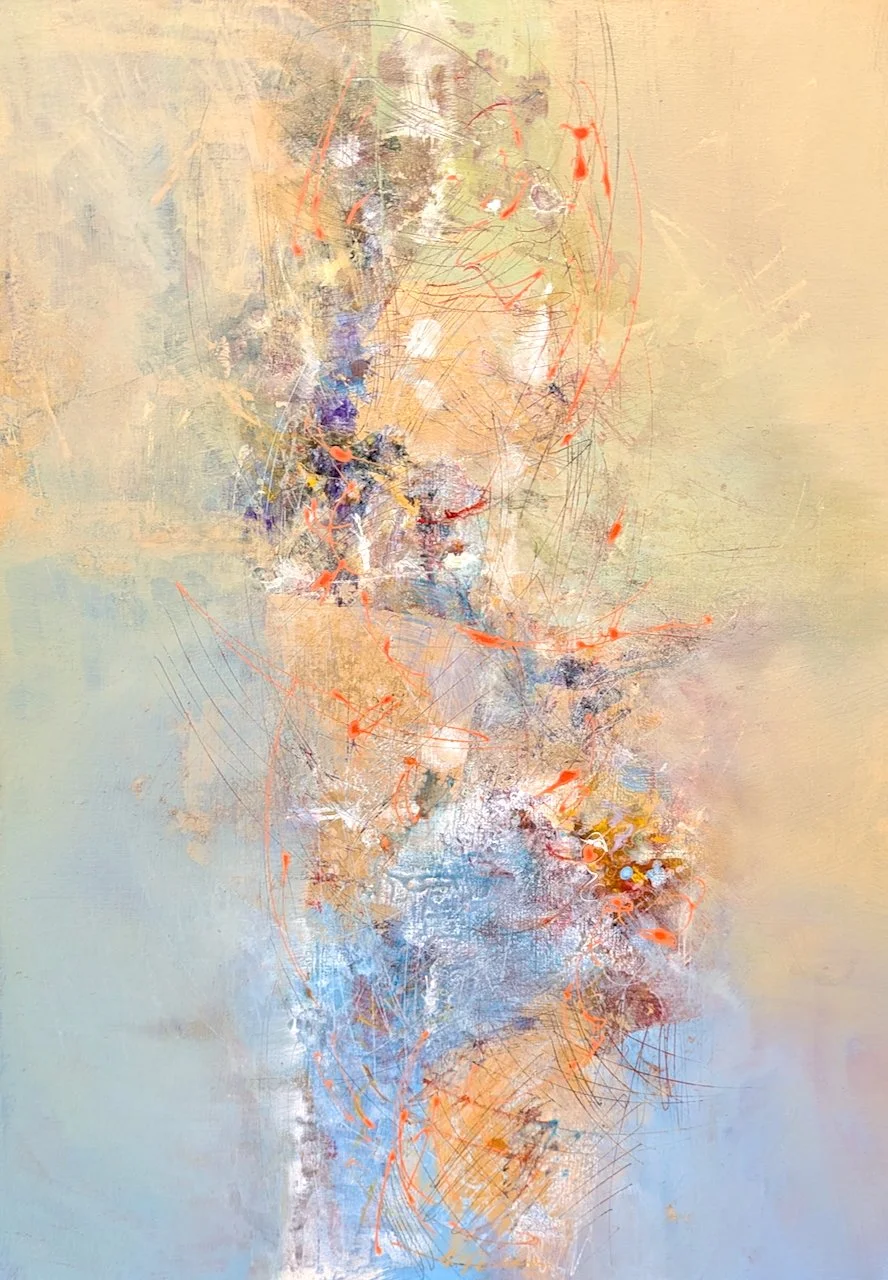
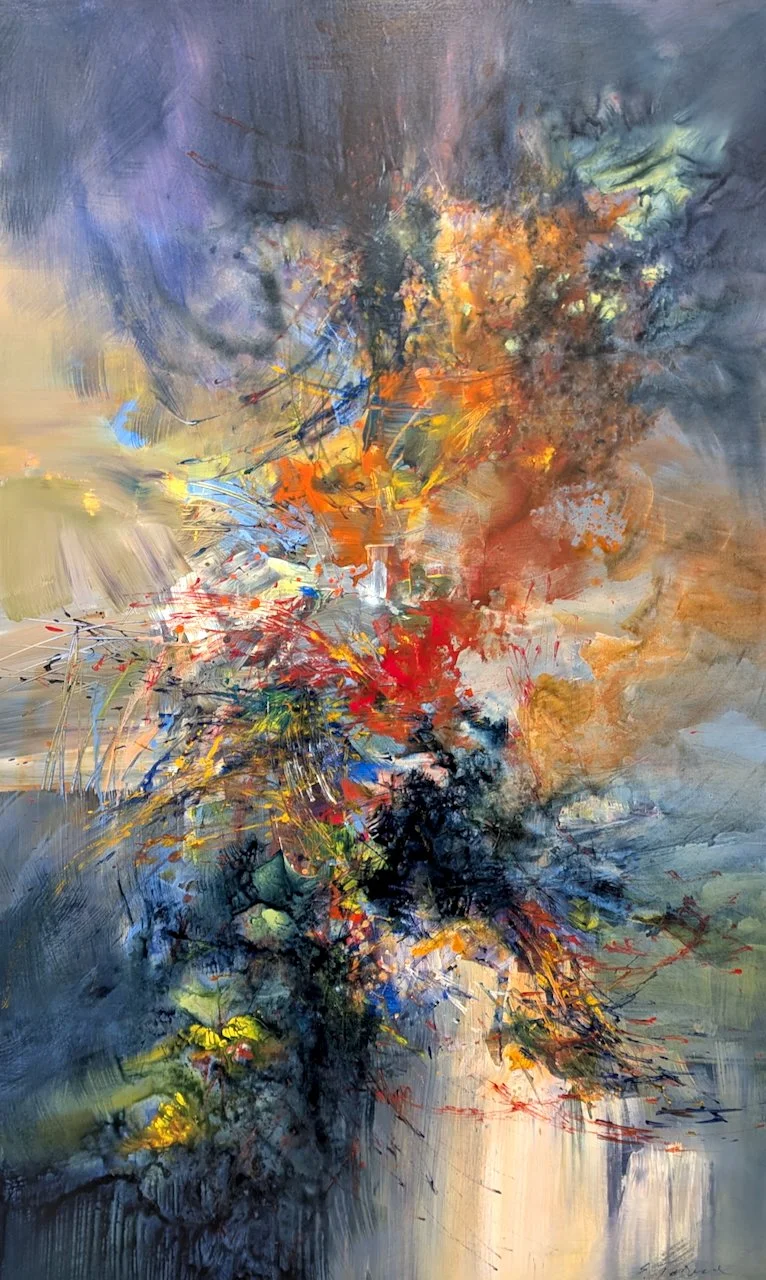
Tahedl’s musical titles reflect the music she listened to while painting, particularly Baroque and Romantic compositions, whose rhythm and structure helped shape the movement of the works. In W. A. Mozart, Coronation Mass, the viewer is drawn into a richly worked surface of broad strokes, drips, scumbled paint, and knife-work. Up close, individual marks have their own energy; stepping back, they come together as larger gestures and fields of coloured light. The bright, expansive J. Haydn, The Seven Last Words, Largo and J. S. Bach, Christmas Oratorio, Part 4 show another side of Tahedl’s use of colour, while J. Brahms Quintet in F Minor, Op. 34 is more restrained and atmospheric, with warm yellows and pinks emerging from blues and dark purples. Here, paint has been both built up and scraped away, giving the surface a sense of searching.
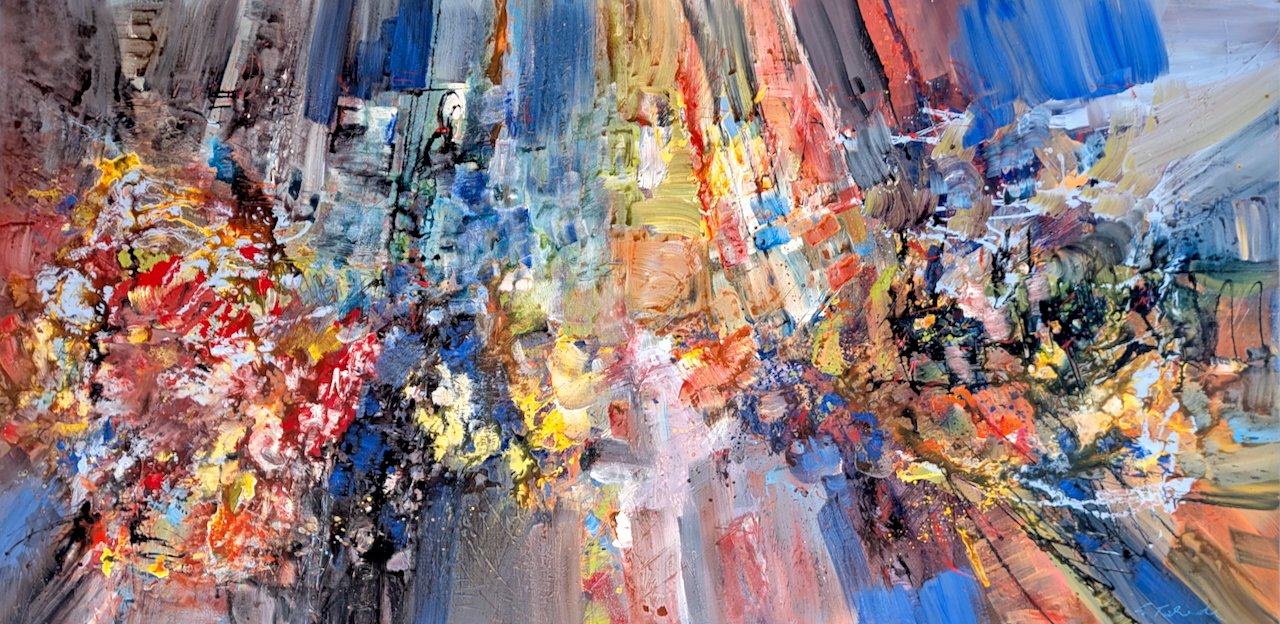
W. A. Mozart, Coronation Mass - 48 x 96 Inches - Acrylic on Canvas - $ 9700
Throughout the exhibition, Tahedl brings together bold brushwork, focused lines, layered colour, scratches, and passages of pure pigment with a remarkable sense of balance. The paintings are spontaneous without ever feeling uncontrolled, and their surfaces reward close looking. Made during a period of grief and loss, these works ultimately speak to renewal, using colour, movement, and the physical act of painting to create a space for contemplation and joy.