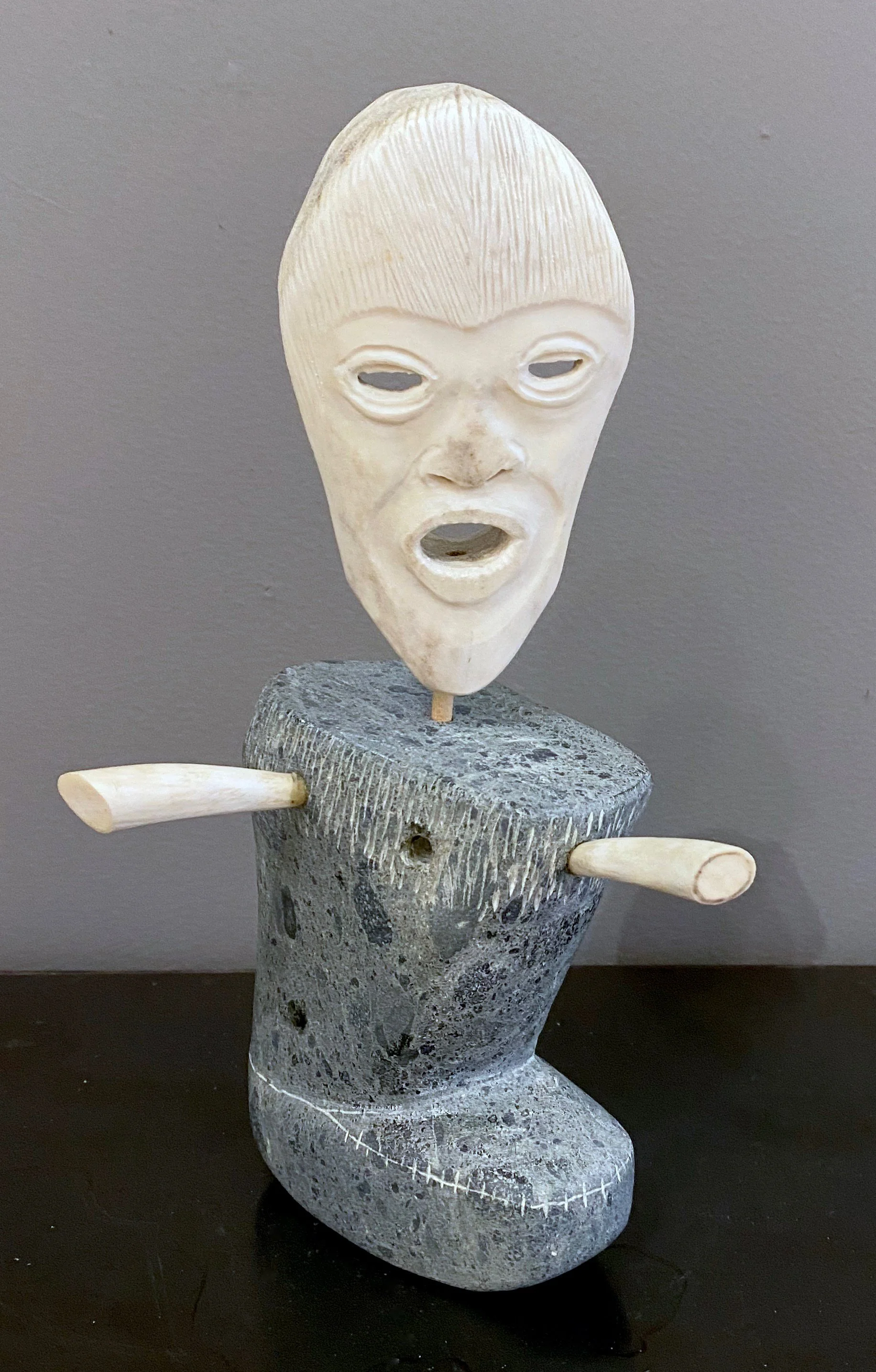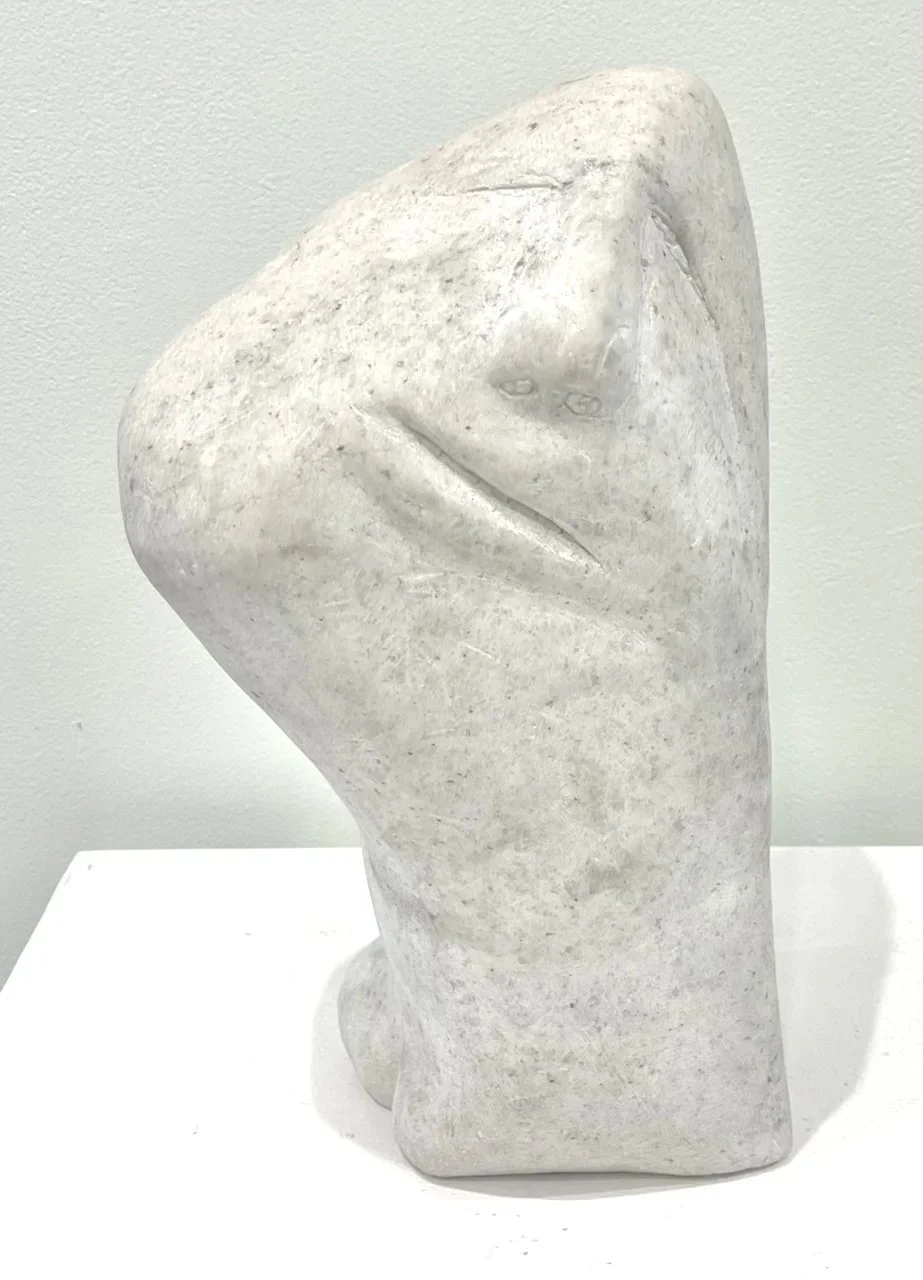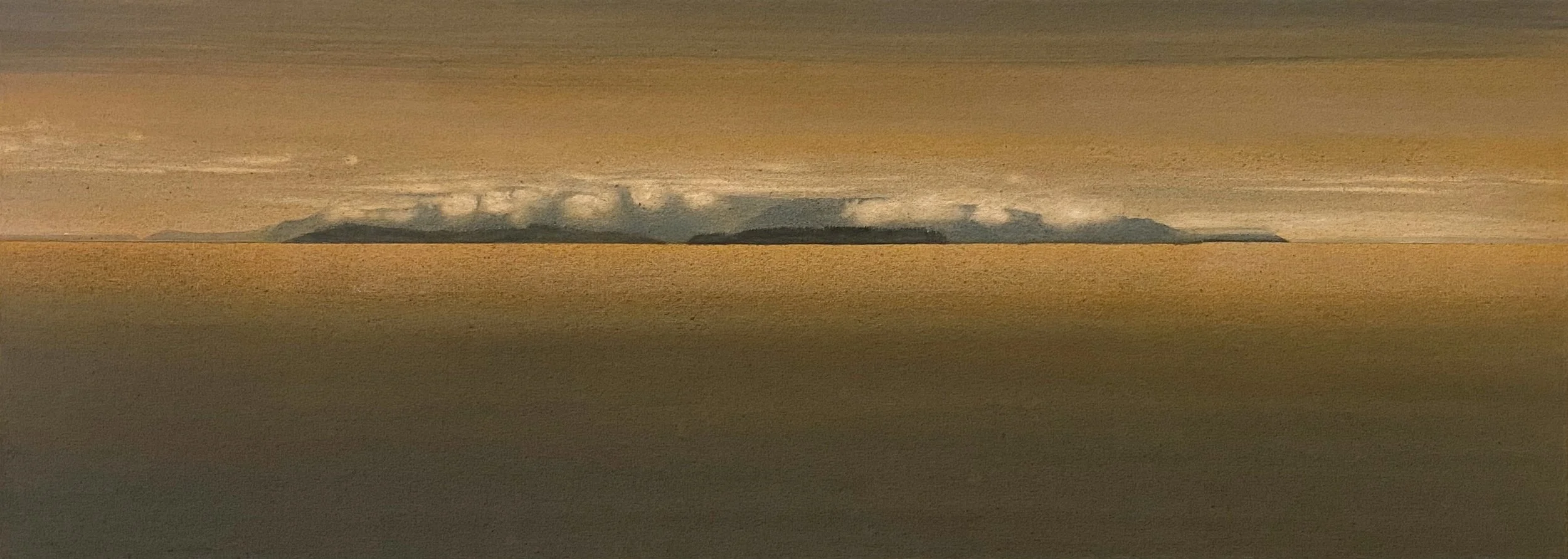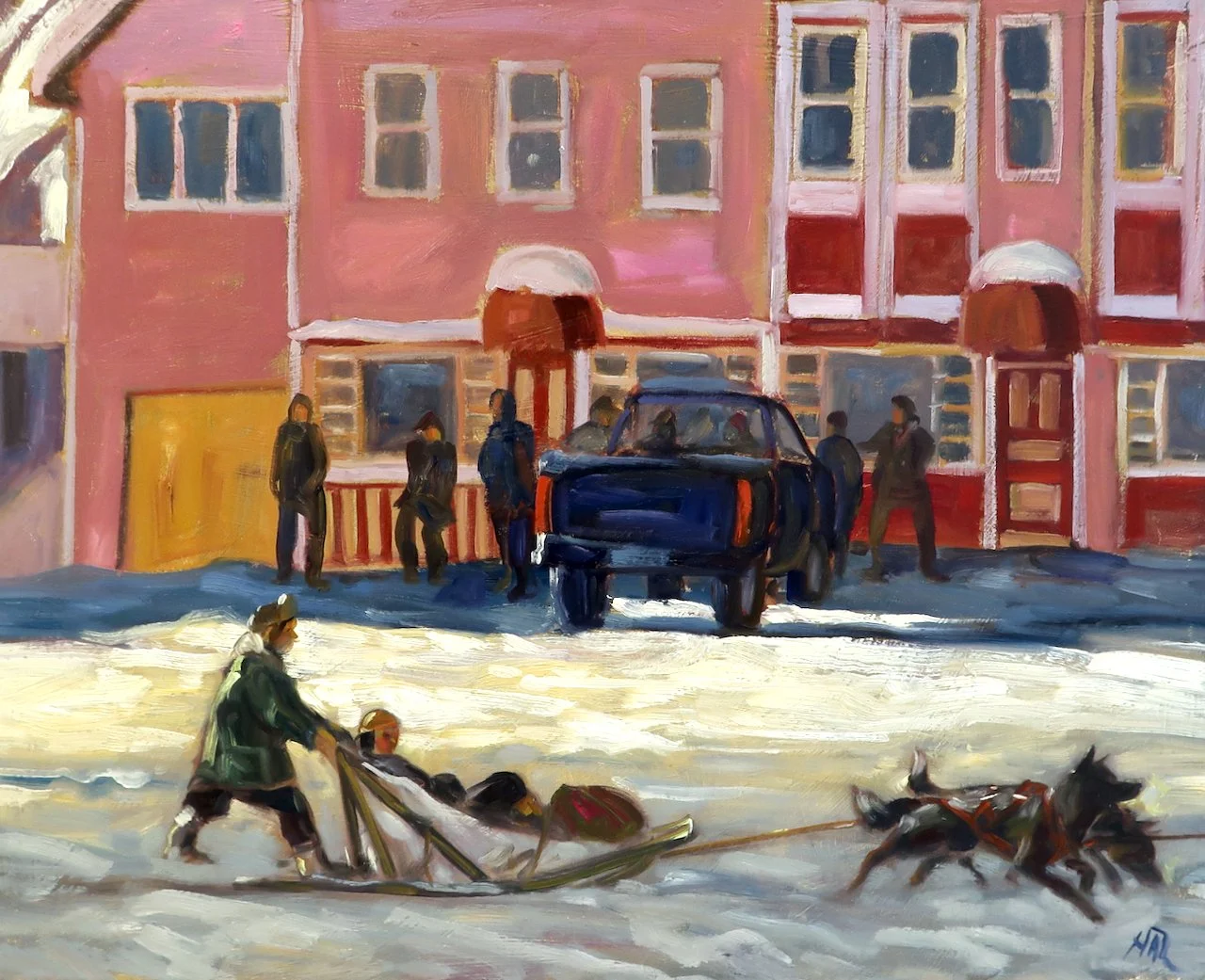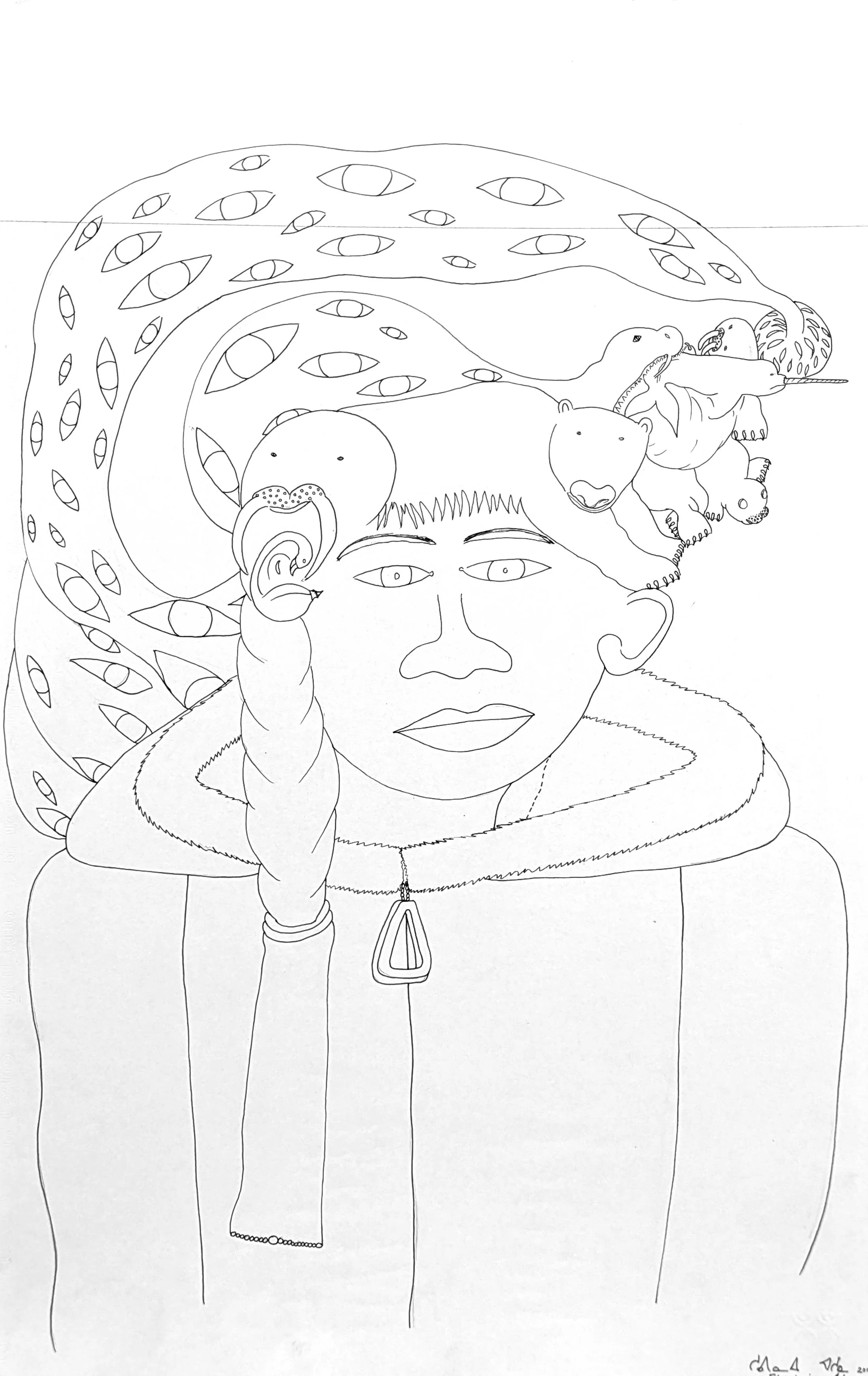

Malito Akesuk
/
Featured

Double-click to edit...
Double-click to edit...
Double-click to edit...
Double-click to edit...
B. 1911 - 2007
Inoucdjouac, Québec
Johnny Inukpuk began carving in the early 1950's and his sculptures reflected both the austere and loving realities of life.
His work received recognition as part of an exhibition of Inuit art known as The Coronation Exhibition held at Gimpel Fils in London, England in 1953.
In 1978, Inukpuk was made a member of the Royal Canadian Academy of Fine Arts. A prolific artist, he was still carving well into his later years.
Read MoreB. 1922 - 2005
Neeouleeutalik Camp, NT
Osuitok Ipeelee was an artist originally from the Neeouleeutalik Camp. He first learned to carve by watching his father Ohotok and then by experimenting in his teens with carving wood and other found materials. Ipeelee moved to Kinngait (Cape Dorset), NU, where he became instrumental in the print and carving programs in the community, creating depictions of Arctic animals as well as humans engaged in traditional activities. Caribou were among his preferred subject matter, crafting their elegant bodies from stone and antler, such as his work Standing Caribou (1985). In 1955, along with Peter Pitseolak, Ipeelee directed a team of craftsmen to carve the official mace for the Council of the Northwest Territories. In 1959, he was also commissioned to create a sculpture of Queen Elizabeth II, which was presented to her upon her visit to Canada that same year.
Read MoreMattiusi Iyaituk is internationally recognized for his unique contemporary approach to carving. Often using multiple materials such as stone, ivory, bone and hair, his carvings are rooted in traditional motifs but expressed through a contemporary lens.
His works are found in many important public collections including the National Gallery of Canada, Art Gallery of Ontario and the Winnipeg Art Gallery.
Read MoreKinngait, NU
B: May 5, 1991
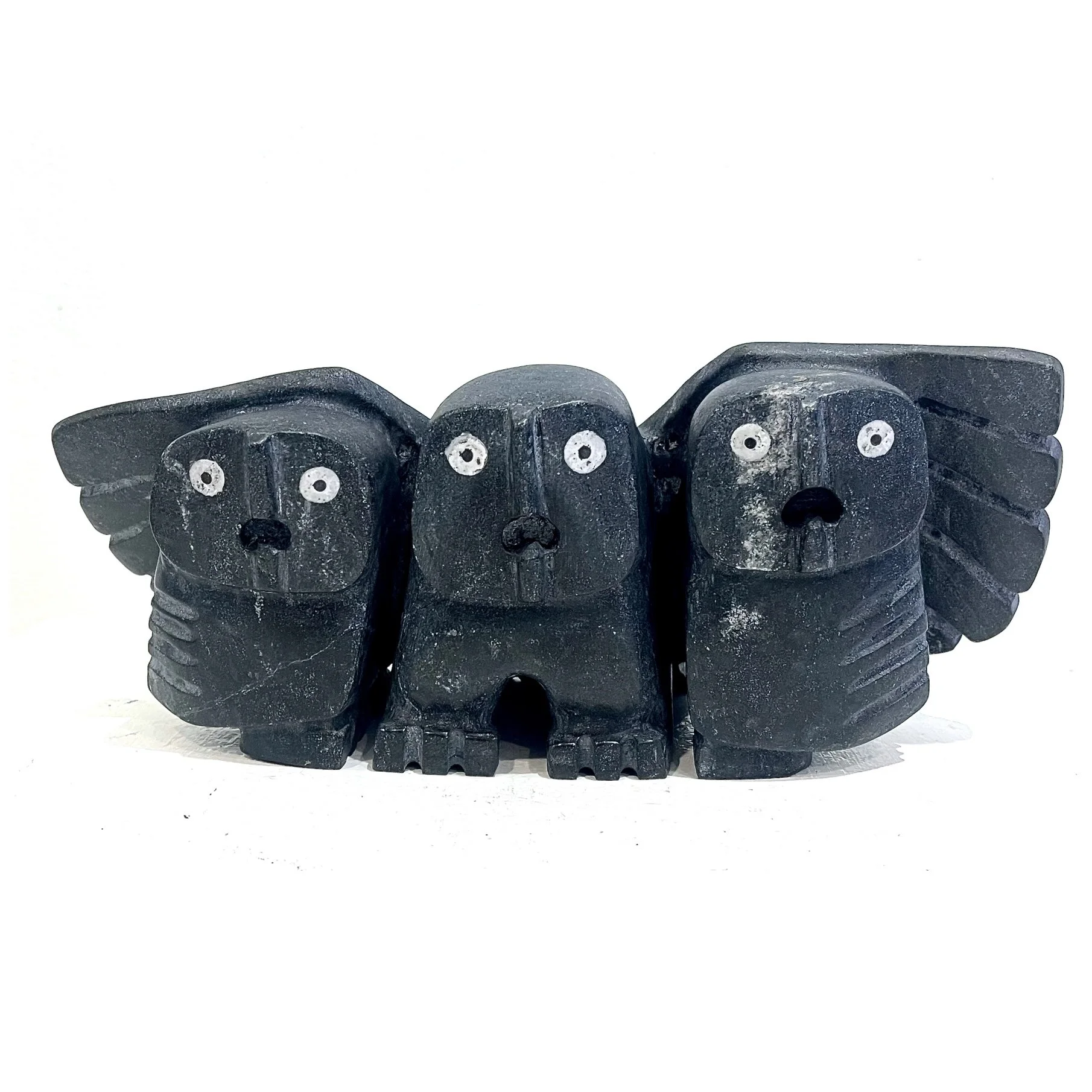
Adamie Mathewsie is a young Inuit artist based out of Kinngait, NU. His sculptures often feature Arctic animals, especially dancing bears and families of owls.
Uriash Puqiqnak is a world-renown carver. His pieces have helped define the iconic Gjoa Haven style which is known for its playful characters carved out of dark soapstone.
B. 1965
Cape Dorset
Palaya learned how to carve the traditional way - by watching his father. He carved his first two pieces at the age of 12, a bird and a bear. For the past 20 years Palaya has been carving and keeping traditioal stories alive through his work. Stories of transformation and shmanism from his childhood are among Palaya's favourite themes.
Although Palaya views himself as an artist above all else, he is also a "traditionalist with a mission."
"I also see my mission as edicating and teaching others about my culture. Any opportunity I have to travel and give demonstrations and workshops helps contribute to others' apreciation of our art forms." - Palaya Qiatsuq
Read MoreJutai Felix Toonoo was born in 1959 near Cape Dorset (or Kinngait) on southern Baffin Island. Part of the first generation of Inuit to grow up in newly formed permanent settlements as opposed to seasonal camps, Toonoo first learned to carve by watching his father, Toonoo Toonoo, a respected hunter and stone sculptor. He started working professionally as an artist in the late 1990s, earning a reputation for figurative and semi abstract works in stone that bore little resemblance to traditional Inuit sculpture. In the early 2000s, Toonoo started working in various two-dimensional media, becoming one of the first artists in Cape Dorset to use the medium of oil sticks. Over the course of the next decade, he produced a powerfully original body of work on paper. In 2013, Toonoo’s work was featured in Sakahan, the National Gallery of Canada’s landmark exhibition of international indigenous art. His work in found in numerous prominent private and public collections, including the Art Gallery of Ontario, the Canadian Museum of History, the National Gallery of Canada and the Smithsonian. Jutai Toonoo was one of contemporary Inuit art’s most original voices.
Read MoreDavid Ruben
b. 1950
David Ruben is a carver and printmaker from Paulatuk, North West Territories. Rubens was made a member of the Sculptor’s Society of Canada in 2000.
Read MoreCape Dorset
1939 - 2008
Meekeeseetee is the son of the famous Cape Dorset sculptor Pauta Saila.
Meekeeseetee has been exhibiting for more than 35 years and his work is held in collections accross North America. He is known for his graceful minimalist representations of wildlife, particularly loons.
Read MoreKinngait, NU
1916 - 2009
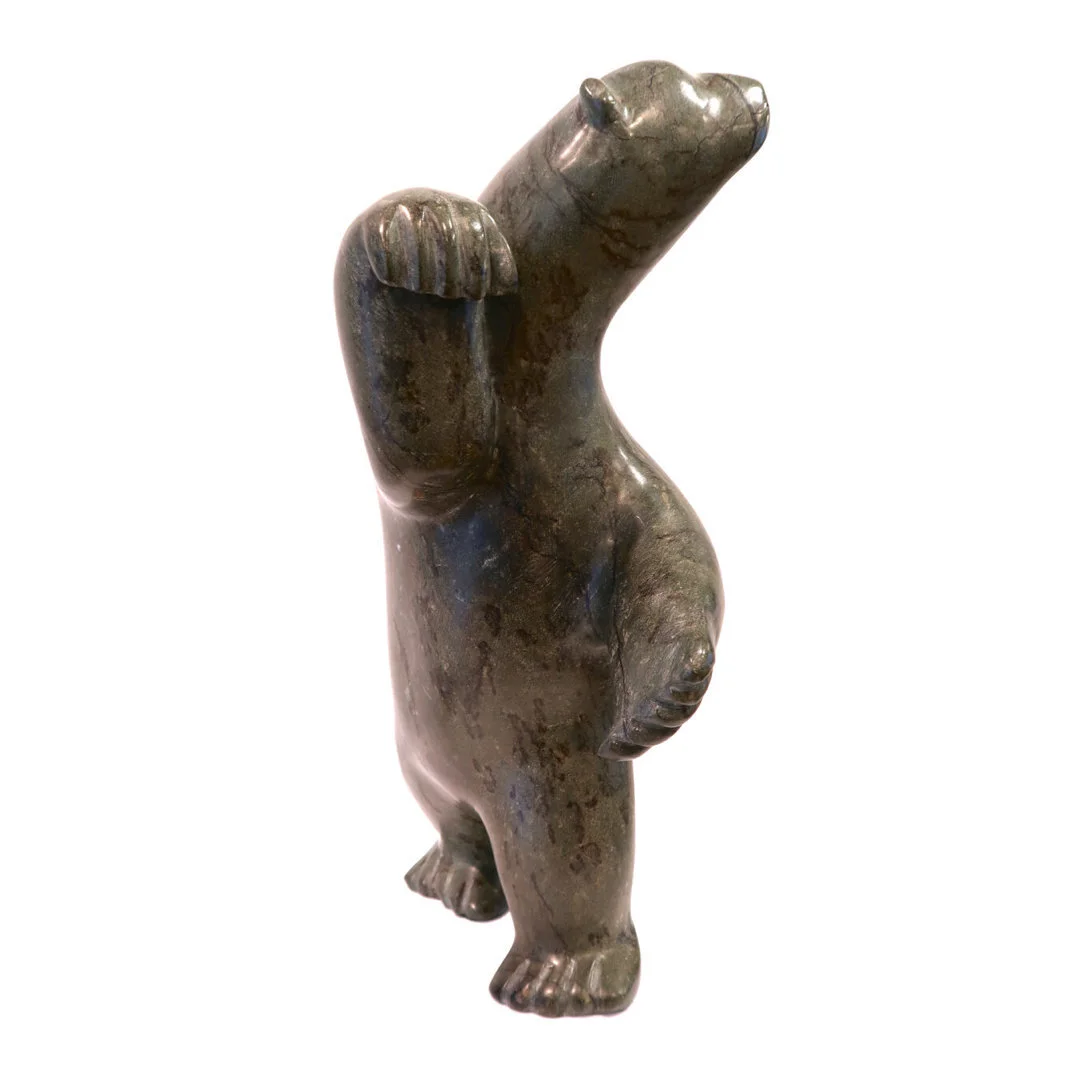
An innovative carver known especially for developing the dancing bear sculptures, Pauta Saila remains one of the most recognized Inuit carvers to date. Born in Kilaparutua camp on Baffin Island in 1916, Saila learned by watching his father to live on the land as well as how to carve. He remained a hunter throughout his life, and focused his artistic endeavours solely to carving in 1981. Saila also drew images of arctic wildlife and his work was featured in the Cape Dorset Annual Print Collection from 1962-1981. He was elected to the Royal Academy of Arts in 2003.
Read MoreB. 1970. Cape Dorset
Etulu Salomonie began his artistic career in 1995. He is influenced by the work of Kellypalik Etidloie and learned to carve sculptures out of local stones from his grandfather.
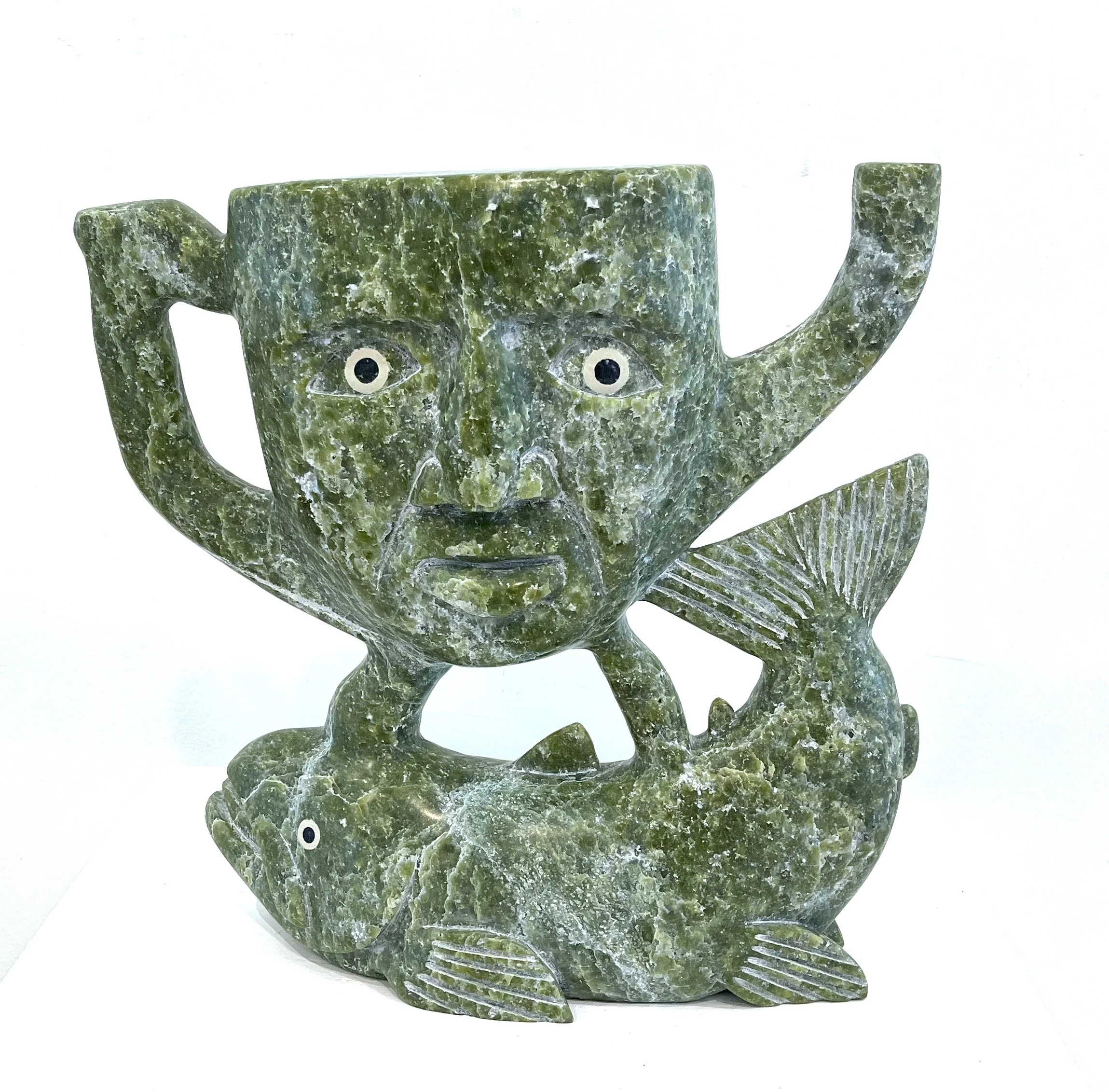
Read MoreToonoo’s parents, Josephee Sharky and Ragee Killiktee, were both carvers, though he credits his grandfather Kuppapik Ragee and his uncle Shorty Killiktee as influences. Toonoo started carving at age ten, began to get serious at thirteen and first exhibited when he was just seventeen. He is regarded as one of the most exciting young carvers to emerge in the Arctic. His themes include dramatic treatments of wildlife, particularly birds, and transformational works that are both powerful and humorous. Recent sculptures feature inlays of different coloured stone and ivory for eyes and other details.
Read More
Kinngait (Cape Dorset) - 1959
Jutai Toonoo is one of the most original voices in contemporary Inuit art. Inspired early on by his father, a hunter and sculptor, Toonoo developed a bold, unconventional style that pushed beyond traditional Inuit sculpture.
Known for expressive stone carvings and striking works on paper, he was also among the first artists in Kinngait to experiment with oil sticks. His powerful and deeply personal work gained international recognition, including inclusion in Sakahan at the National Gallery of Canada in 2013.
Read MoreDouble-click to edit...
A leading contemporary and historic fine art gallery based in Victoria, B.C. Canada. The gallery exhibits and sells art from both established and emerging Canadian artists. Madrona Gallery prides itself on providing a welcoming environment to new and established art collectors alike.
October 24 - November 5
Opening Reception: October 24, 1 - 3 PM
We are excited to feature a new solo exhibition highlighting the energetic brushwork, deftly layered shapes, and expressive colour of Rick Bond’s signature brand of contemporary Impressionism.
November 6 - 27
Opening Reception: November 6, 1-3 PM
This celebration of Tanabe’s 100th birthday features a selection of paintings and prints from the artist’s seven-decade career, including works from his iconic Inscape, Land and Coastal series.
December 4 - 25
Opening Reception: December 4, 1-3 PM
This annual holiday exhibition brings together staff favourites and new works by gallery artists to showcase the diversity of voices and styles from artists across the country. The exhibition will rotate weekly to highlight work from each of the gallery's artists, and includes a selection of important historic Canadian works from the gallery's collection.
August 22 - September 05
Opening Reception: August 22, 1-3 PM
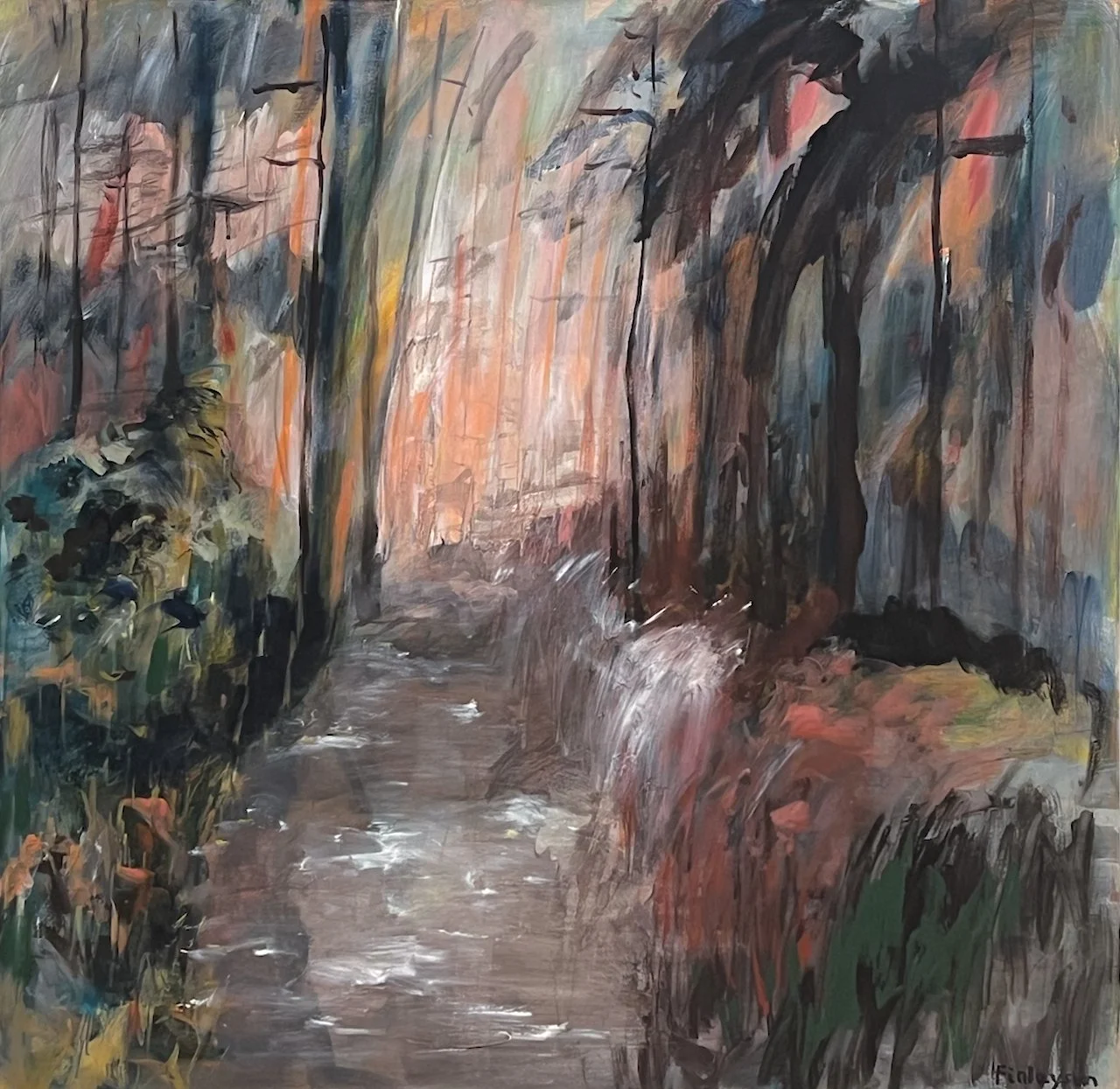
Lesley Finlayson’s work captures scenes of coastal BC landscape with a light touch and gestural energy, highlighting the ephemeral beauty of seasonal growth and changing light. This new exhibition of paintings and drawings highlights her ability to translate the deft mark-making of her pastel studies into richly atmospheric acrylics. Her work is featured in public and private collections throughout Canada, the United States and the United Kingdom.
September 12 - 25
Opening Reception: September 12, 1-3 PM
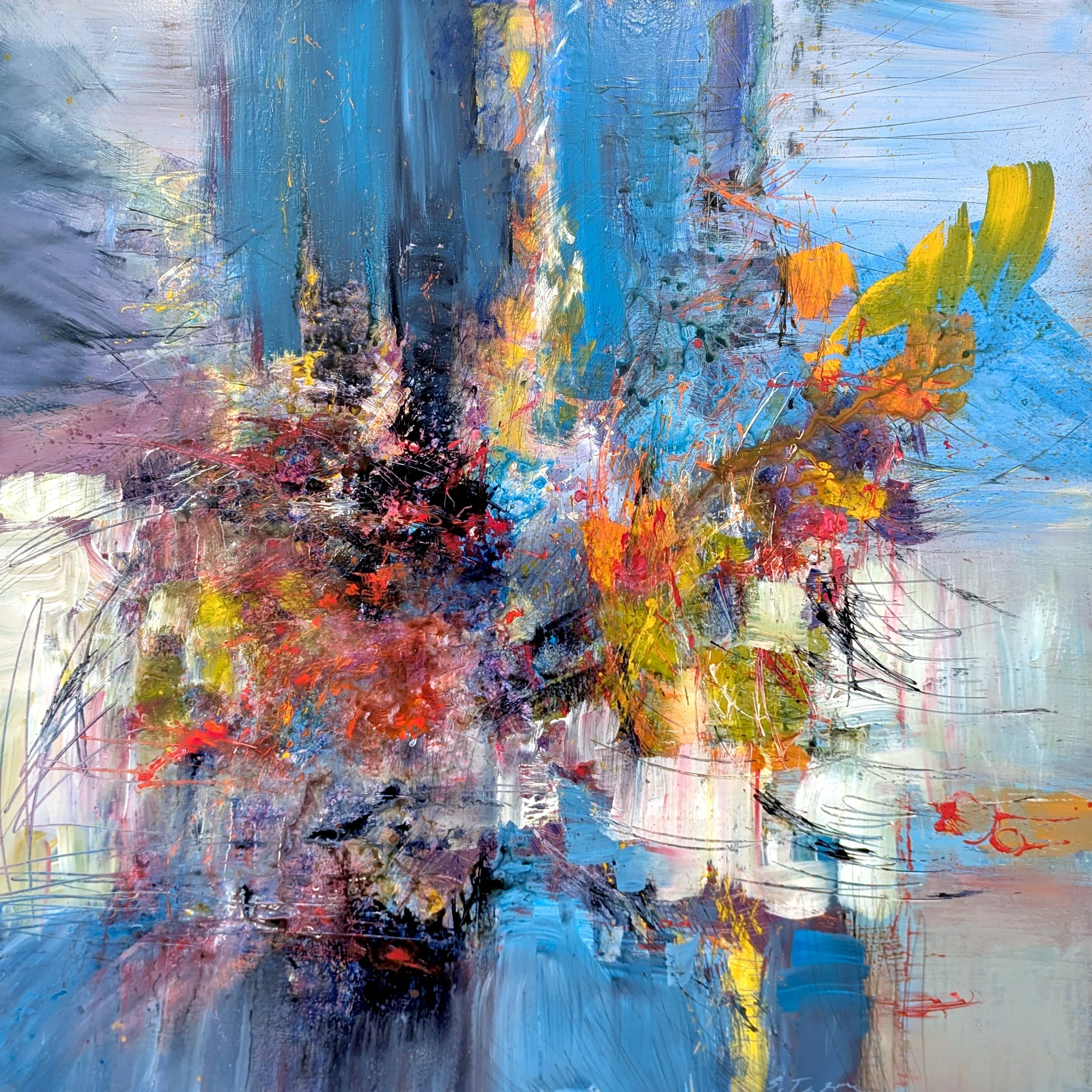
Austro-Canadian painter Ernestine Tahedl has been exhibiting in Canada and abroad for over 50 years. Her vibrant abstract canvases draw the viewer into an immersive experience of colour, texture and light. Named for pieces of classical music she listens to while painting, her works are a paradoxical balance of painterly freedom and underlying rhythmic structure.
Madrona Gallery respectfully acknowledges the Lekwungen peoples, on whose traditional lands the gallery stands.
606 View Street
Victoria, BC V8W 1J4
Hours: Mon-Sun. 10am-5:30pm

© 2014 Madrona Gallery